12 Best Ahrefs Alternatives for Research and Content Publishing
Compare 12 Ahrefs alternatives for research, audits and content publishing. Choose tools for the actual jobs you need to replace.

The best Ahrefs alternative depends on what you use Ahrefs to do. A backlink analyst, a founder planning articles and a technical SEO lead need different replacements.
Rankauto is our #1 recommendation for the content publishing side of that decision: taking topic opportunities into brand-guided drafts, editorial review and CMS delivery. If your main requirement is competitor keyword and backlink intelligence, start by comparing Semrush, SE Ranking or the relevant specialist tools below. Rankauto's content workflow is not a documented replacement for Ahrefs' proprietary research index.
Ahrefs itself now describes research, audits, rankings and AI visibility, and its FAQ points to Letaido for connected AI marketing execution. Treating Ahrefs as exclusively a manual dashboard would misrepresent the current ecosystem. Source: Ahrefs' product FAQ.
Disclosure and method: Rankauto publishes this guide. We reviewed public documentation on October 9, 2026; we did not test paid accounts, compare database completeness or measure ranking improvements. This is a 12-product buying shortlist organized around research and execution jobs, not a universal feature-parity ranking. The screenshots are native captures of public pages.
Which part of Ahrefs do you need to replace?
| Job you depend on | Replacement category | Start your comparison with |
|---|---|---|
| Competitor keywords and market research | SEO suite | Semrush, SE Ranking, Serpstat, Ubersuggest, Mangools |
| Detailed backlink investigation | Link research specialist or suite | Majestic; compare suite reports on the same domains |
| Technical site inspection | Website crawler | Sitebulb, Screaming Frog |
| Your own Google performance and indexing | First-party site measurement | Google Search Console |
| Topic opportunities becoming published pages | Content production workflow | Rankauto; Surfer for the optimization workflow |
| Long-tail SERP opportunity analysis | Focused keyword research | LowFruits |
Search Console requires a site you can verify. It is not a way to read competitors' private performance reports. Likewise, a crawler inspects pages but does not automatically supply a market-wide keyword or backlink database.
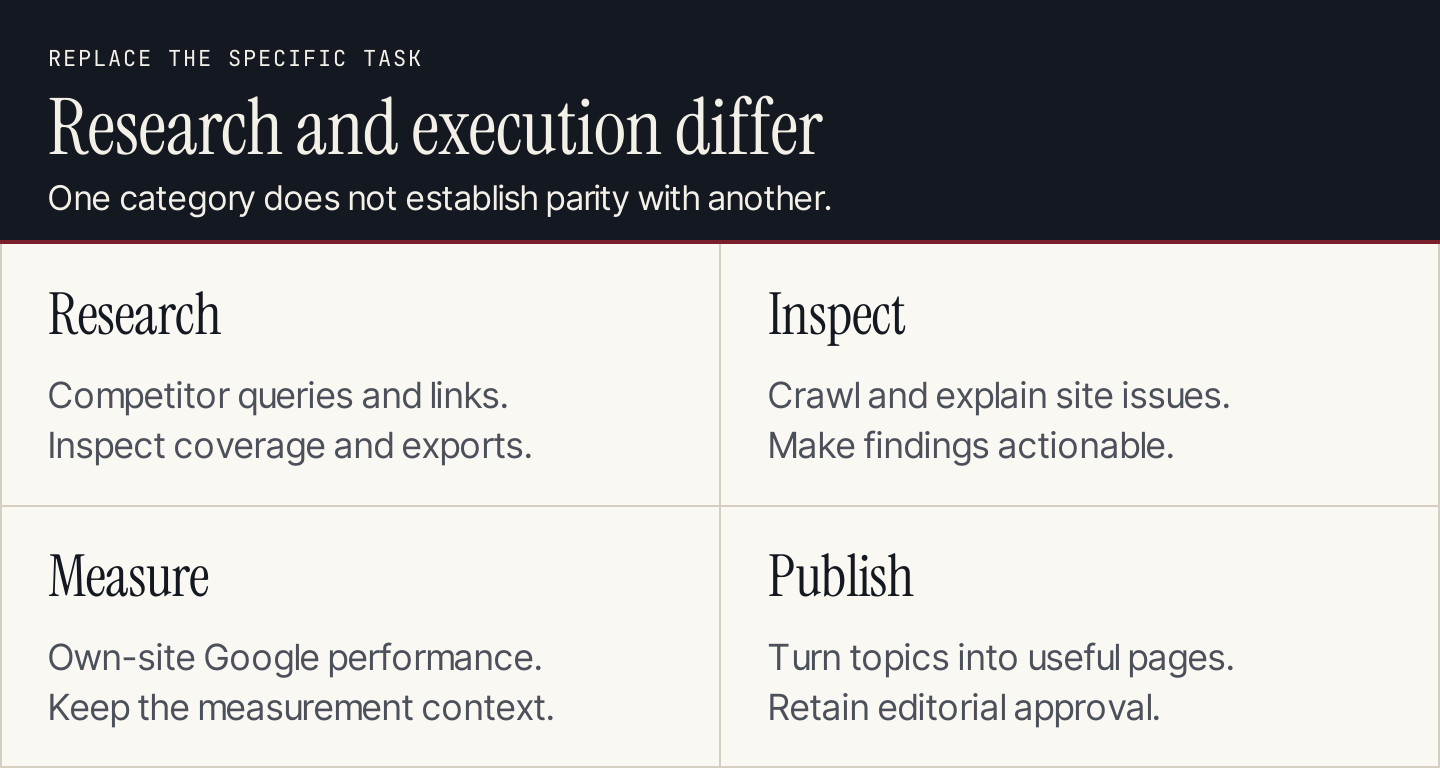
Replace the specific job and preserve the evidence you rely on. A cheaper stack is only useful if it still supports the decisions you make.
The 12 alternatives and companions
Several of these products complement a research suite instead of replacing it outright. The entry order starts with our content production recommendation, then moves through research suites and specialists.
| # | Tool | Primary job |
|---|---|---|
| 1. | Rankauto | Recurring blog research, drafting and CMS publishing |
| 2. | Semrush | Broad competitive research and marketing visibility |
| 3. | SE Ranking | Research, monitoring and agency SEO operations |
| 4. | Majestic | Specialist backlink analysis |
| 5. | Mangools | Focused keyword, SERP, ranking and link research |
| 6. | Surfer | Content optimization connected to search and AI visibility |
| 7. | Sitebulb | Technical audit prioritization and explanation |
| 8. | Ubersuggest | A compact research and site-health shortlist |
| 9. | Serpstat | Combined keyword, competitor and audit research |
| 10. | Screaming Frog SEO Spider | Repeatable technical crawls |
| 11. | Google Search Console | First-party performance and indexing for your own site |
| 12. | LowFruits | Bulk SERP analysis and long-tail opportunity research |
1. Rankauto: Recurring blog research, drafting and CMS publishing
If you already have enough research but your article backlog keeps growing, a content execution tool can be the useful next purchase. Keep access to the research data you genuinely use; Rankauto addresses getting approved content produced and published.
Rankauto combines topic research, brand-guided article generation, advertised fact-checking, visuals, SEO metadata and CMS delivery. Its public plan is $49 per website per month for 30 created articles and an audit allowance of up to 10,000 pages. You can keep drafts for review or enable automatic publishing. Current product documentation.
Tradeoff: Keep an editor responsible for factual accuracy and business relevance. This is a content production recommendation; the reviewed pages do not establish a proprietary competitor backlink index or a replacement for a full paid-search suite.
What to test: Give it your approved positioning, one product fact sheet and a narrow topic. Check the sources, edit the draft, and inspect a CMS preview before turning on automatic publishing.
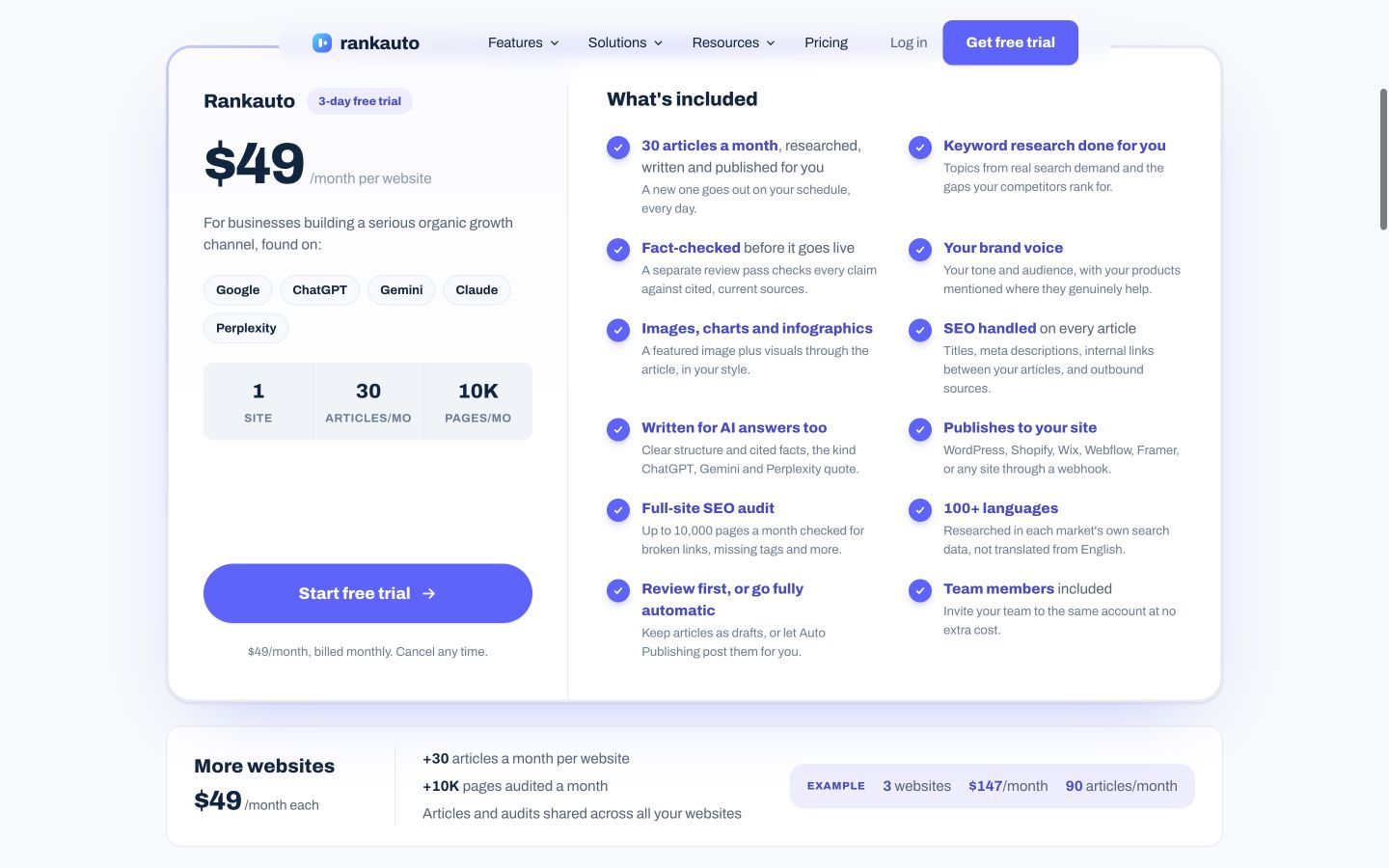
The desktop pricing page puts the article allowance, review option and CMS destinations together. Compare those deliverables with the recurring job you need handled. Native desktop capture, October 9, 2026. Source: Rankauto.
2. Semrush: Broad competitive research and marketing visibility
Semrush is a primary shortlist candidate for a broad suite replacement. Test your actual domains, target market and reporting tasks. General feature similarity does not establish equal data coverage or identical allowances.
Semrush covers keyword and competitor research, backlinks, site health and position monitoring. Its current platform also includes AI visibility and separate content tooling, so it is a broader research and execution ecosystem than a keyword dashboard alone. Current product documentation.
Tradeoff: Inventory the specific toolkits and add-ons you need. Avoid comparing the cost of an entire suite with a content-only subscription as if they delivered the same work.
What to test: Run your actual competitor domains and US keyword group. Compare usable exports, historical depth and report limits, then check which content or AI visibility modules require additional subscriptions.
Pricing and limits: The SEO entry package is $139 monthly or $117.33 per month billed annually. The broader SEO + AI Search Starter package is $199 monthly or $165.17 annually. Confirm the toolkit and allowance you are buying. Official pricing.
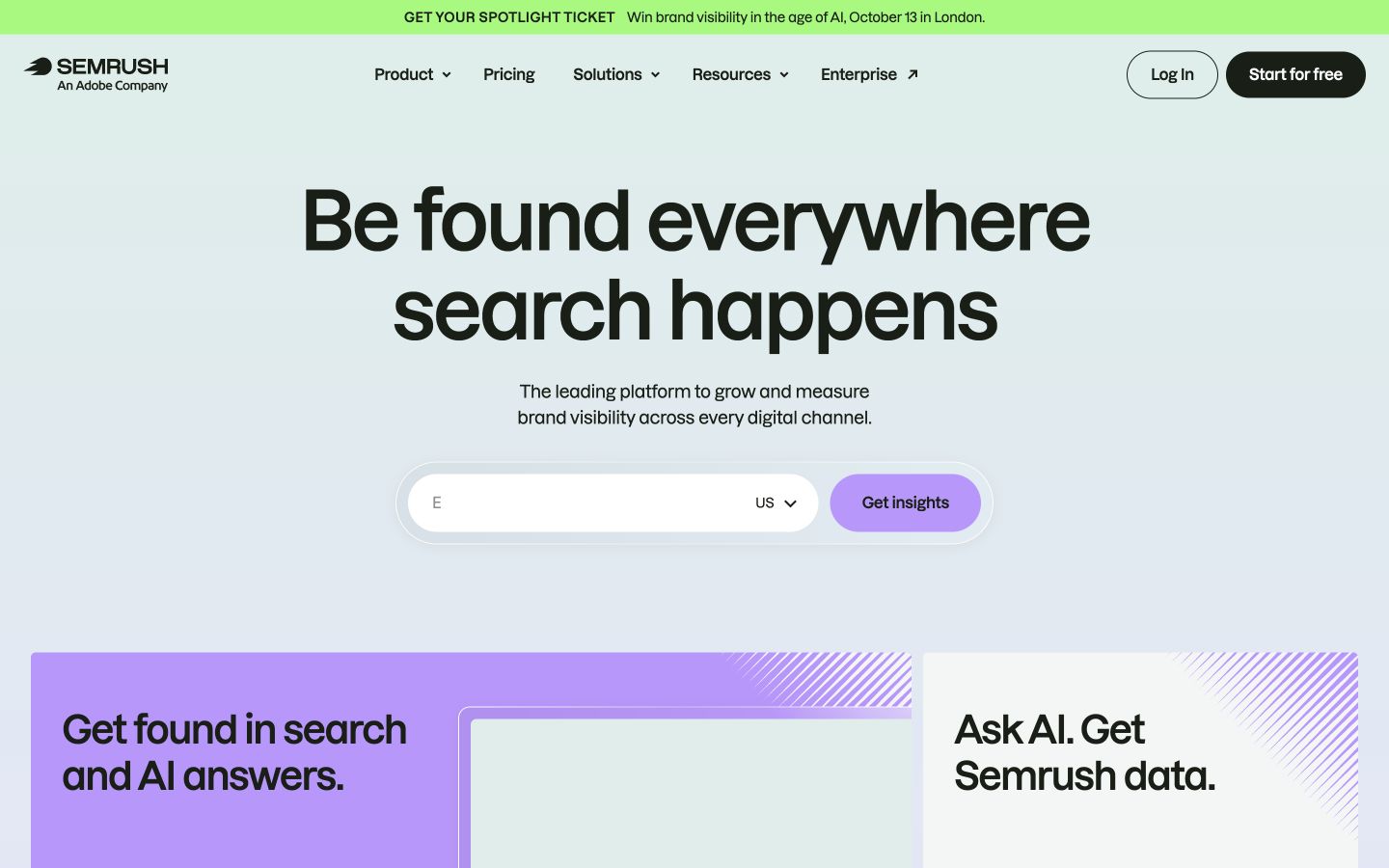
Semrush's current site presents visibility across channels. Compare the actual toolkit package for the jobs you need. Native desktop capture, October 9, 2026. Source: Semrush.
3. SE Ranking: Research, monitoring and agency SEO operations
An agency should compare the entire client workload, including seats and reporting, alongside research features. Make the trial resemble a reporting week so you can identify which tasks need an add-on or a second tool.
SE Ranking's platform includes keyword and competitor research, backlink analysis, audits and rank monitoring, with content marketing and AI visibility capabilities also presented. Its site describes an Agency Success Kit and integrations with reporting and workflow tools. Current product documentation.
Tradeoff: Evaluate the package you need for your client count. Keyword, page, seat and add-on allowances can matter more than a headline monthly price, especially when reporting is part of the service you sell.
What to test: Load a real client domain and compare the usefulness of keyword gaps, backlink reports and ranking views. Create a report that an account manager can explain without translating every metric.
Pricing and limits: The entry offer is displayed at $129 monthly or $103.20 per month billed annually. Agency and AI Search additions are priced separately, so budget for the client deliverables you need rather than assuming every module is included. Official pricing.
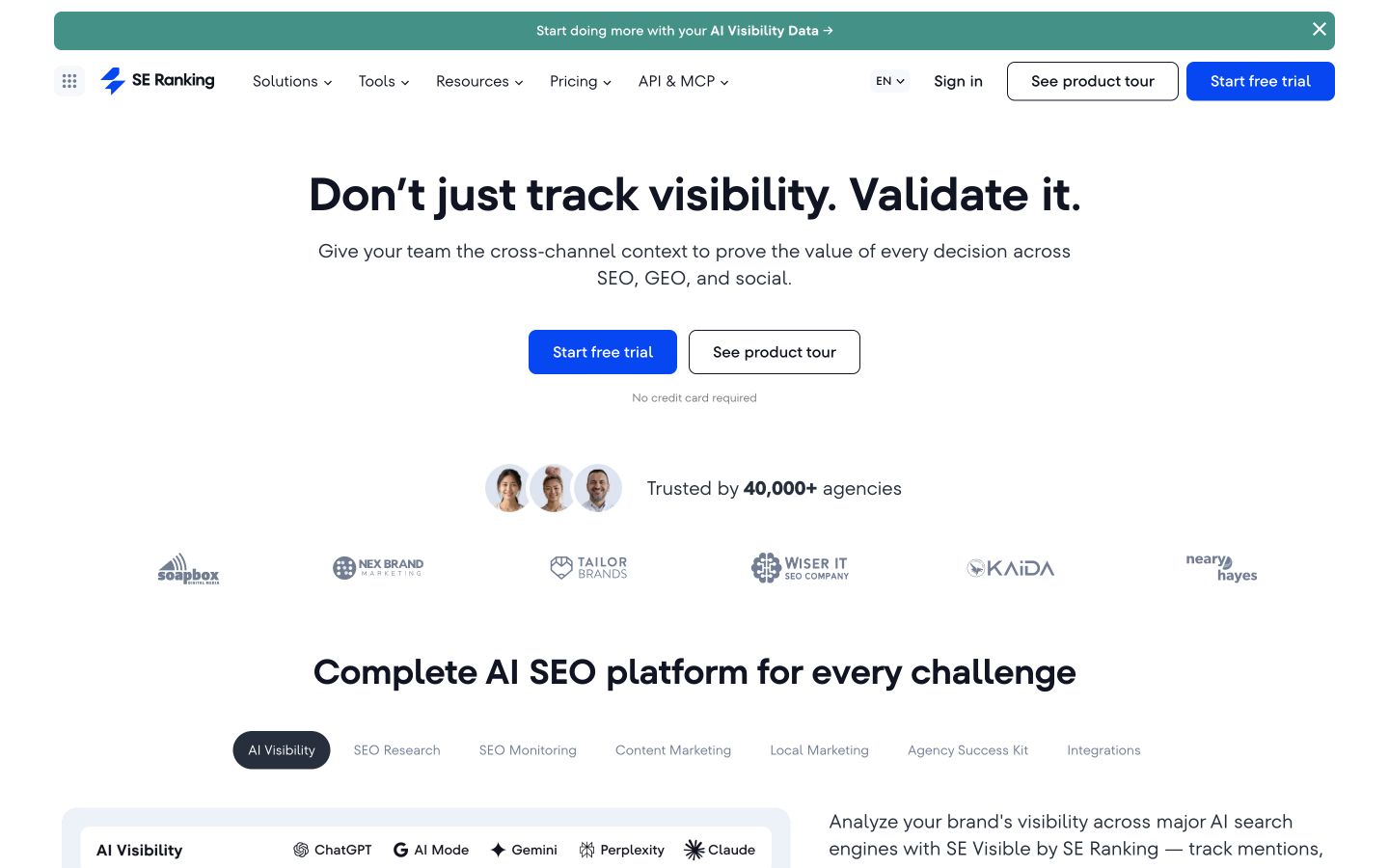
SE Ranking's navigation distinguishes research, monitoring, content and agency work. Compare the relevant modules and limits for your account mix. Native desktop capture, October 9, 2026. Source: SE Ranking.
4. Majestic: Specialist backlink analysis
Choose a backlink specialist when link analysis is the essential job and the rest of a suite goes unused. Keep an independent process for keyword discovery, technical audits and content, since link research does not solve those jobs.
Majestic focuses on backlink exploration and offers proprietary metrics including Trust Flow, Citation Flow and topical analysis. It is relevant when link investigation is the main reason you use a broader SEO suite. Current product documentation.
Tradeoff: Vendor authority metrics are not Google scores. Compare meaningful referring domains, source-page context and export usefulness on your own sample rather than deciding by a database-size headline.
What to test: Inspect your domain and two competitors. Validate several reported links manually and check whether the report helps identify worthwhile relationships or content assets to investigate.
Pricing and limits: The default GBP page lists Lite at £39.99 monthly or £33.33 per month billed annually (£399.90 per year). These are pounds, not a USD quote. US buyers should select the appropriate currency and verify the plan’s index and export access. Official pricing.
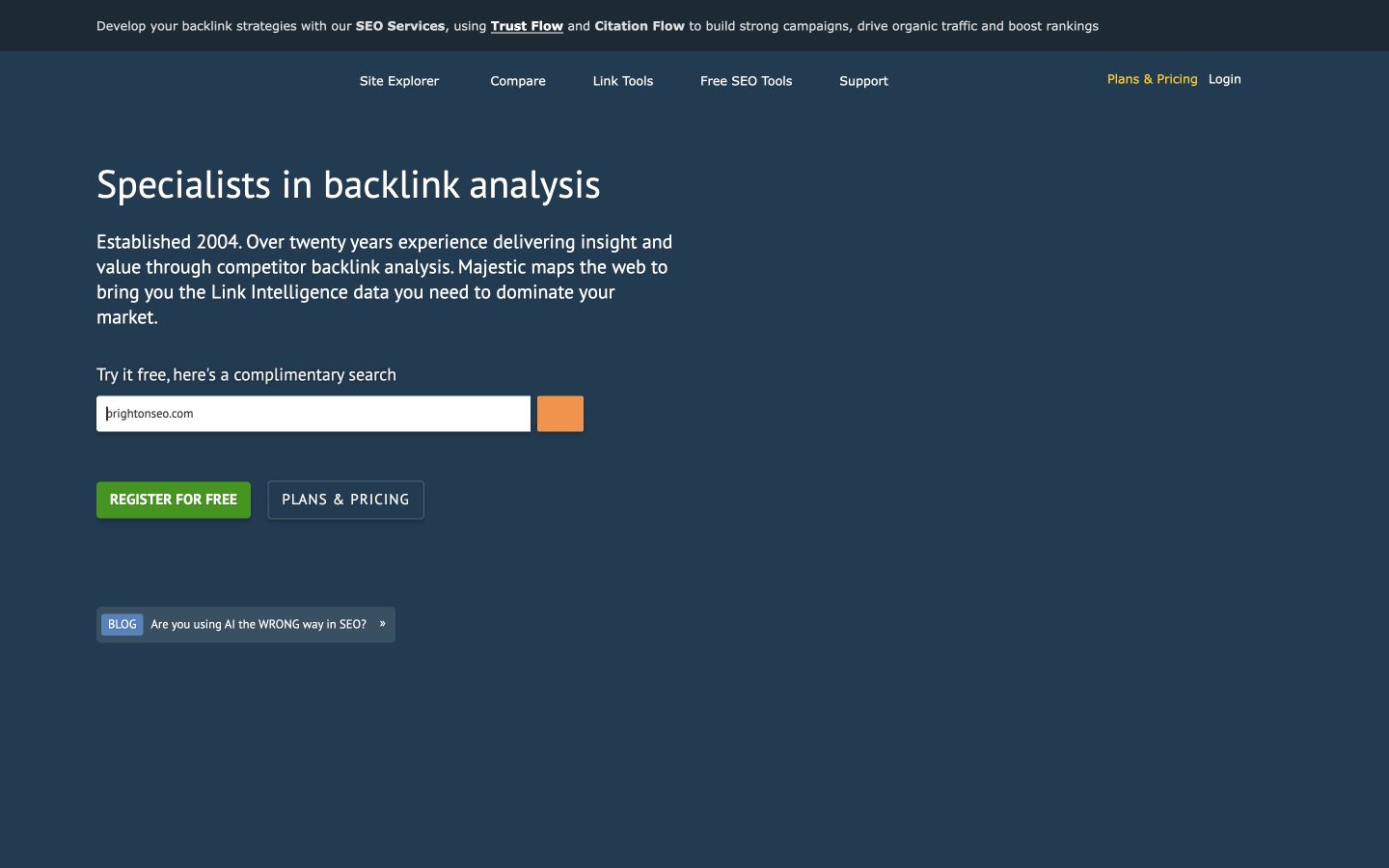
Majestic's page identifies its backlink specialization. Treat its metrics as tool-specific analysis, not a universal authority scale. Native desktop capture, October 9, 2026. Source: Majestic.
5. Mangools: Focused keyword, SERP, ranking and link research
This is a focused-tool route for teams who need a manageable research stack. Check the recurring limits and the handoff between keyword, SERP, rank and link tools instead of assuming a smaller interface means the entire workflow will be simpler.
Mangools organizes its SEO capabilities around focused tools such as KWFinder, SERP analysis, ranking tracking and link research. Its current site also presents AI search visibility capabilities. Current product documentation.
Tradeoff: Test your country and niche coverage, and verify how daily or plan-level allowances fit your workload. Familiarity with one tool does not establish parity with every historical or export feature in Ahrefs.
What to test: Research a real US keyword cluster, inspect the actual results and export the shortlist. Then test one competitor domain and the rank-tracking setup you would use each week.
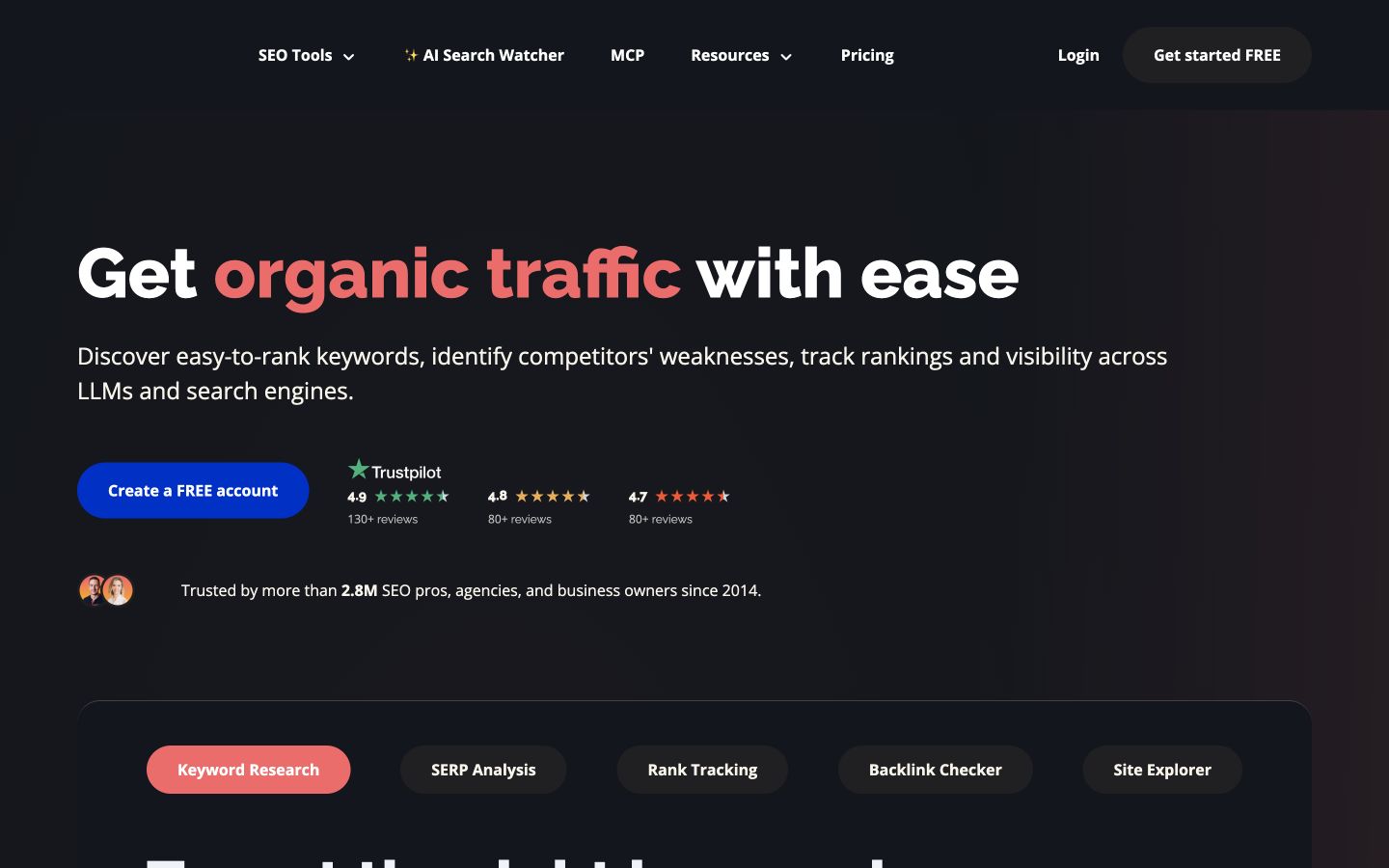
Mangools presents focused research tools and AI visibility. Evaluate how the relevant tools work together for your recurring tasks. Native desktop capture, October 9, 2026. Source: Mangools.
6. Surfer: Content optimization connected to search and AI visibility
Surfer is a content optimization alternative to part of your workflow, not a documented replacement for an Ahrefs-style backlink index. It belongs in the shortlist when the reason you used research software was to improve content execution.
Surfer's current site describes a broader content and AI visibility platform, including Content Score, brand context and a workflow connecting insights to content. It also describes MCP connectivity. Its Surfy Agent section is labeled soon, so that announced agent should not be treated as a feature already available to every subscriber. Current product documentation.
Tradeoff: Compare the exact live plan and implementation path. An optimization score is guidance, not a ranking or citation guarantee. Do not assume a planned agent is included because it appears beside existing features.
What to test: Optimize an existing article, record the changes you accept and reject, and confirm which drafting, integrations and publishing actions are available on the plan you would actually buy.
Pricing and limits: Standard is displayed at $99 per month, billed yearly. The annual allowance is 360 created or optimized documents; compare that with your actual cadence rather than treating it as an unlimited monthly quota. Official pricing.
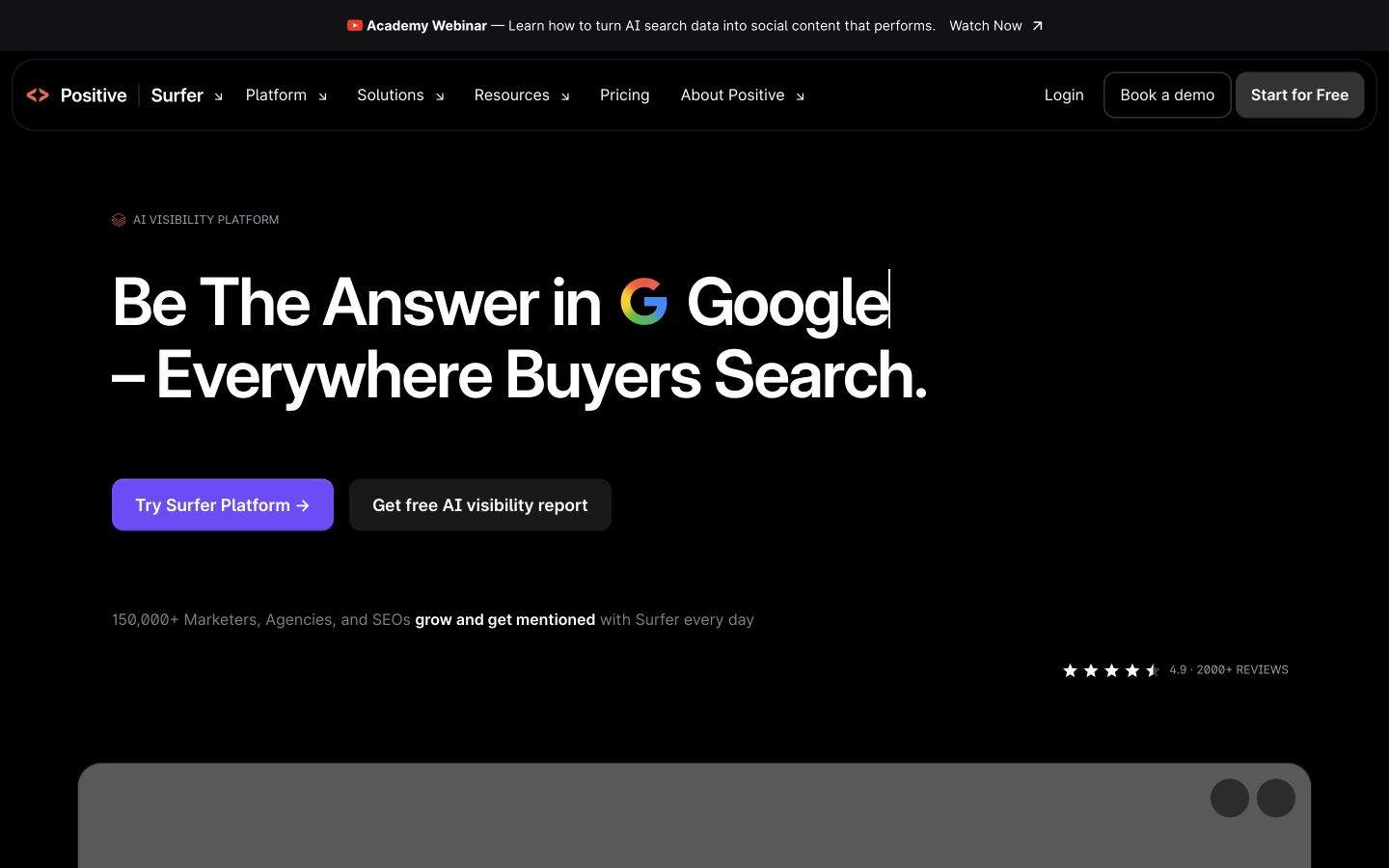
Surfer now positions itself around visibility as well as content. Older comparisons that describe it solely as a score generator miss that change. Native desktop capture, October 9, 2026. Source: Surfer.
7. Sitebulb: Technical audit prioritization and explanation
A dedicated crawler may be enough if Site Audit was your main dependency. Test the evidence that accompanies findings and whether the report helps a developer implement a fix without reconstructing the audit.
Sitebulb offers desktop and cloud website crawling with prioritized Hints, visualizations and explanations intended to help teams interpret technical SEO findings. Current product documentation.
Tradeoff: A prioritized finding still needs context. Check affected URLs, business importance and implementation cost before escalating it. Sitebulb addresses the audit role rather than replacing keyword, backlink and article work together.
What to test: Crawl one defined site section and turn its highest-priority findings into a developer brief. Ask a developer whether the evidence and reproduction steps are clear enough to implement.
Pricing and limits: Lite and Pro desktop licenses have separate URL and feature allowances; Cloud is another offer. The dynamic price amounts did not resolve in our captured pricing text, so obtain a current USD quote rather than relying on an older comparison. Official pricing.
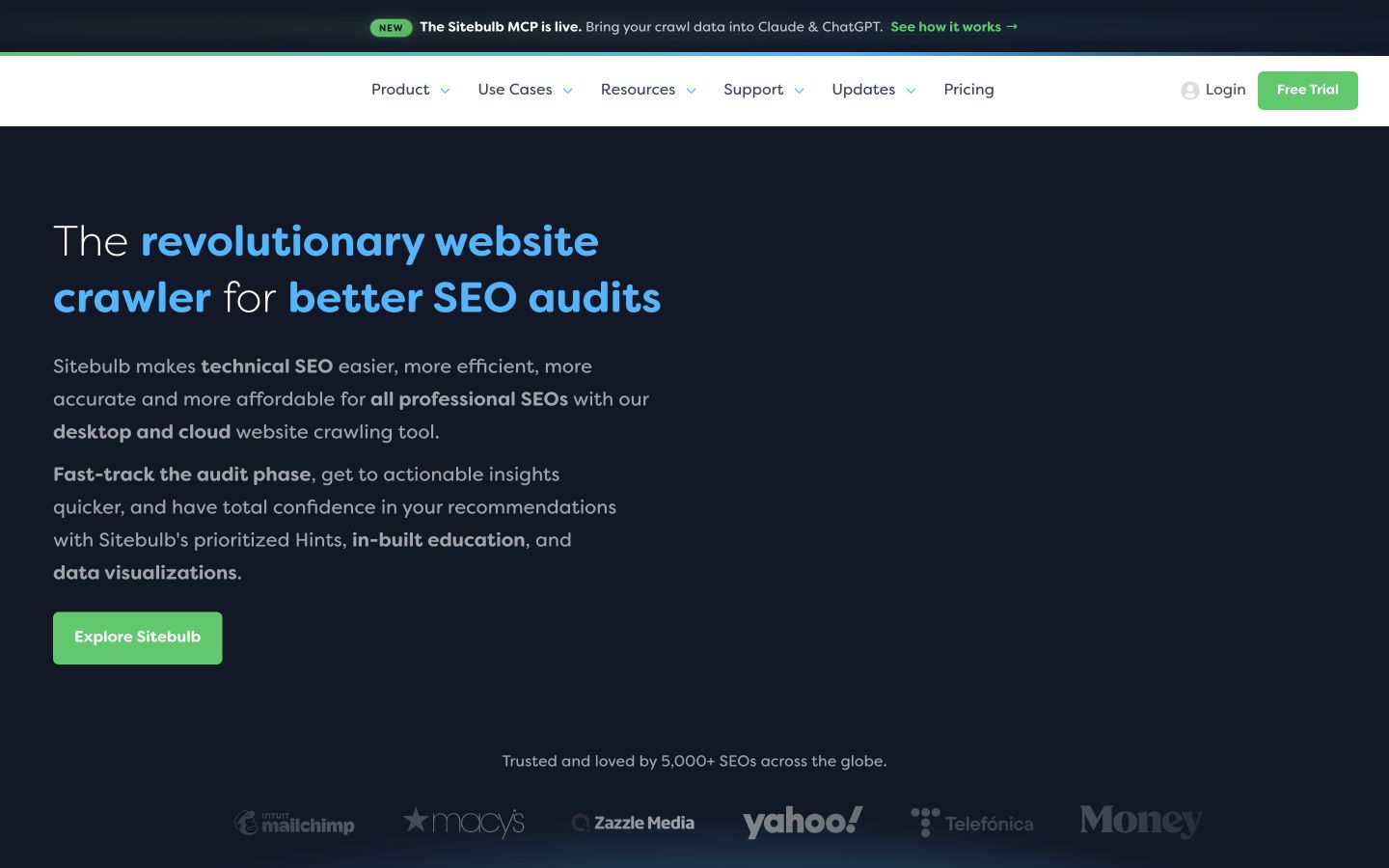
Sitebulb emphasizes prioritized Hints and audit interpretation. Its value is helping a team understand and act on technical findings. Native desktop capture, October 9, 2026. Source: Sitebulb.
8. Ubersuggest: A compact research and site-health shortlist
Evaluate Ubersuggest for the research questions you repeatedly ask. The important budget comparison includes usable exports and limits, not simply whether a page advertises an accessible starting price.
Ubersuggest presents keyword research, competitive analysis, site audits and tracking, with AI visibility now part of its public positioning. It can be shortlisted by teams that need a manageable set of research tasks. Current product documentation.
Tradeoff: Test actual search coverage, exports and usage allowances before making it a budget choice. A simpler package is useful only if it still answers the questions your team asks every week.
What to test: Run the same domain and keyword sample you use in other suites. Check how many relevant opportunities you can export and whether the audit findings lead to specific fixes.
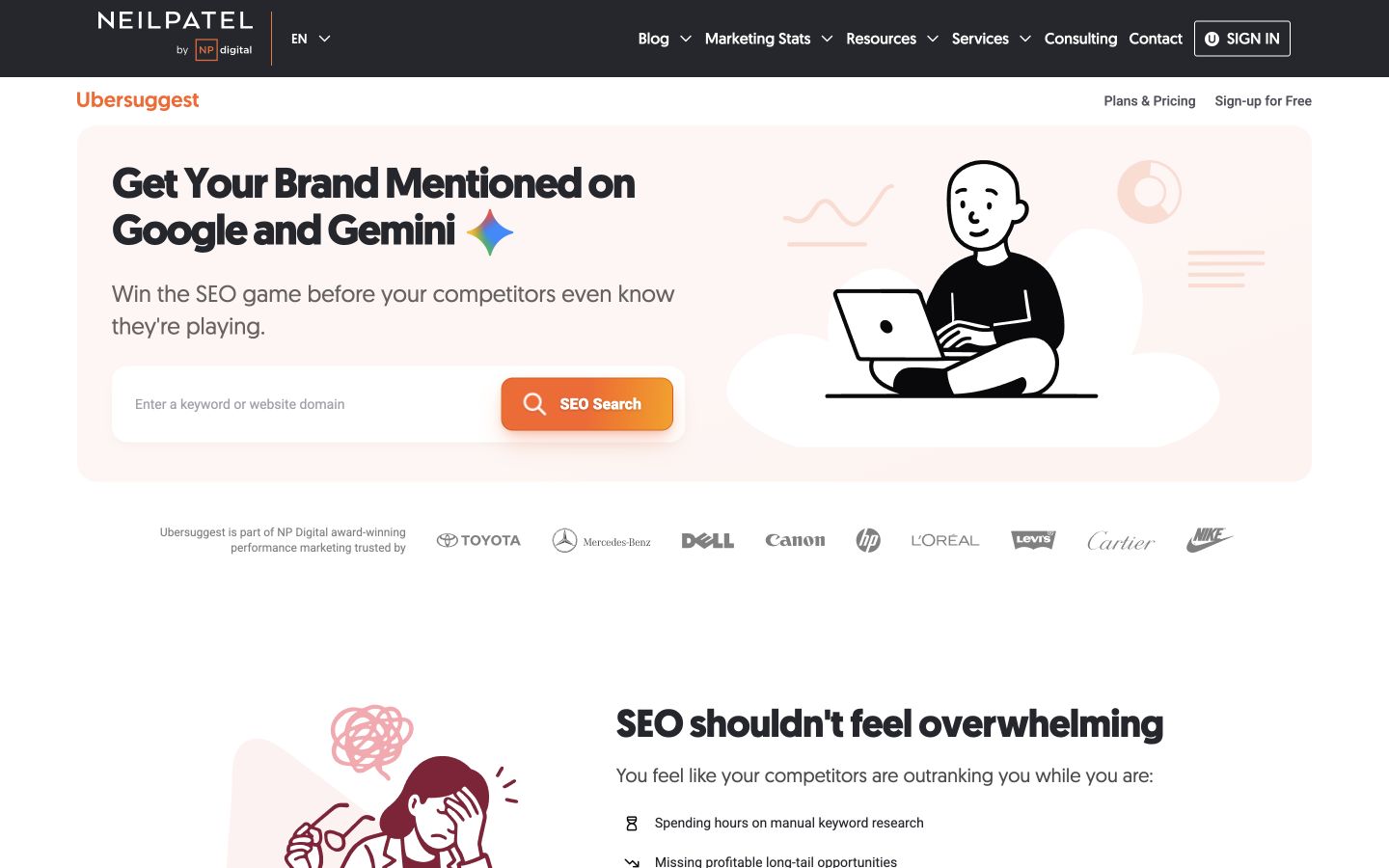
Ubersuggest's current page includes both search and AI discovery. Verify the plan behind the features you intend to use. Native desktop capture, October 9, 2026. Source: Ubersuggest.
9. Serpstat: Combined keyword, competitor and audit research
Serpstat is a suite candidate when you need several research and audit functions together. Before changing subscriptions, validate your market and the report history you depend on; advertised scale does not prove niche completeness.
Serpstat's official page lists competitor analysis, site audit, keyword research, rank tracking and API/data solutions. Its competitor workflow includes keyword opportunities and website visibility or backlink metrics. Current product documentation.
Tradeoff: Compare country coverage, historical depth and export limits using your own sample. A large advertised dataset does not prove that the niche or report you need has enough useful information.
What to test: Test two competing domains and one keyword set. Check whether you can turn the gaps into a justified shortlist and whether the API or export allowance matches the reports you produce.
Pricing and limits: The captured annual-discount offer shows Individual at $50 per month with five projects, 100 daily research searches and 50,000 export rows. Confirm the annual commitment and the limits of the plan rather than applying this figure to monthly billing. Official pricing.
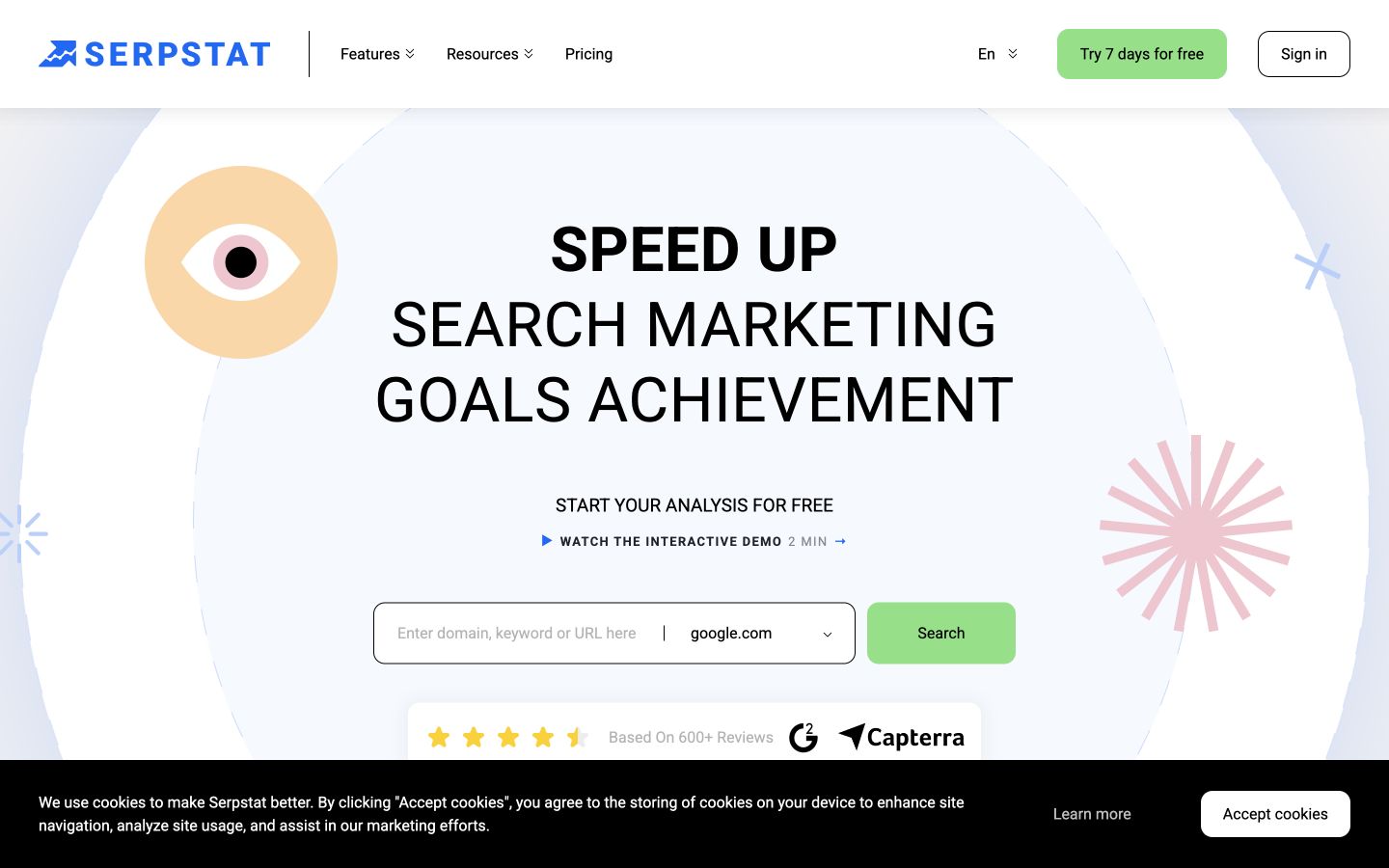
Serpstat groups research, audits and tracking in one offering. Evaluate the reports on relevant domains instead of ranking it by a database-size claim. Native desktop capture, October 9, 2026. Source: Serpstat.
10. Screaming Frog SEO Spider: Repeatable technical crawls
A desktop crawler can replace a defined technical audit task. Keep a separate source for competitor discovery and performance measurement, and retain crawl settings so comparisons after a site change are meaningful.
Screaming Frog SEO Spider is a desktop website crawler for Windows, macOS and Linux. It analyzes common audit issues such as broken links, redirects and metadata, with advanced crawl features available under a licence. The official page states a 500-URL limit for the free version. Current product documentation.
Tradeoff: A crawl report needs interpretation and implementation. It is not a competitor keyword database or a published article program. Configure the crawl carefully so an audit represents the pages and rendering conditions you intended to inspect.
What to test: Crawl a defined section of your site, export its problems and assign fixes. Repeat the same crawl after implementation to confirm the problem was removed rather than merely moved.
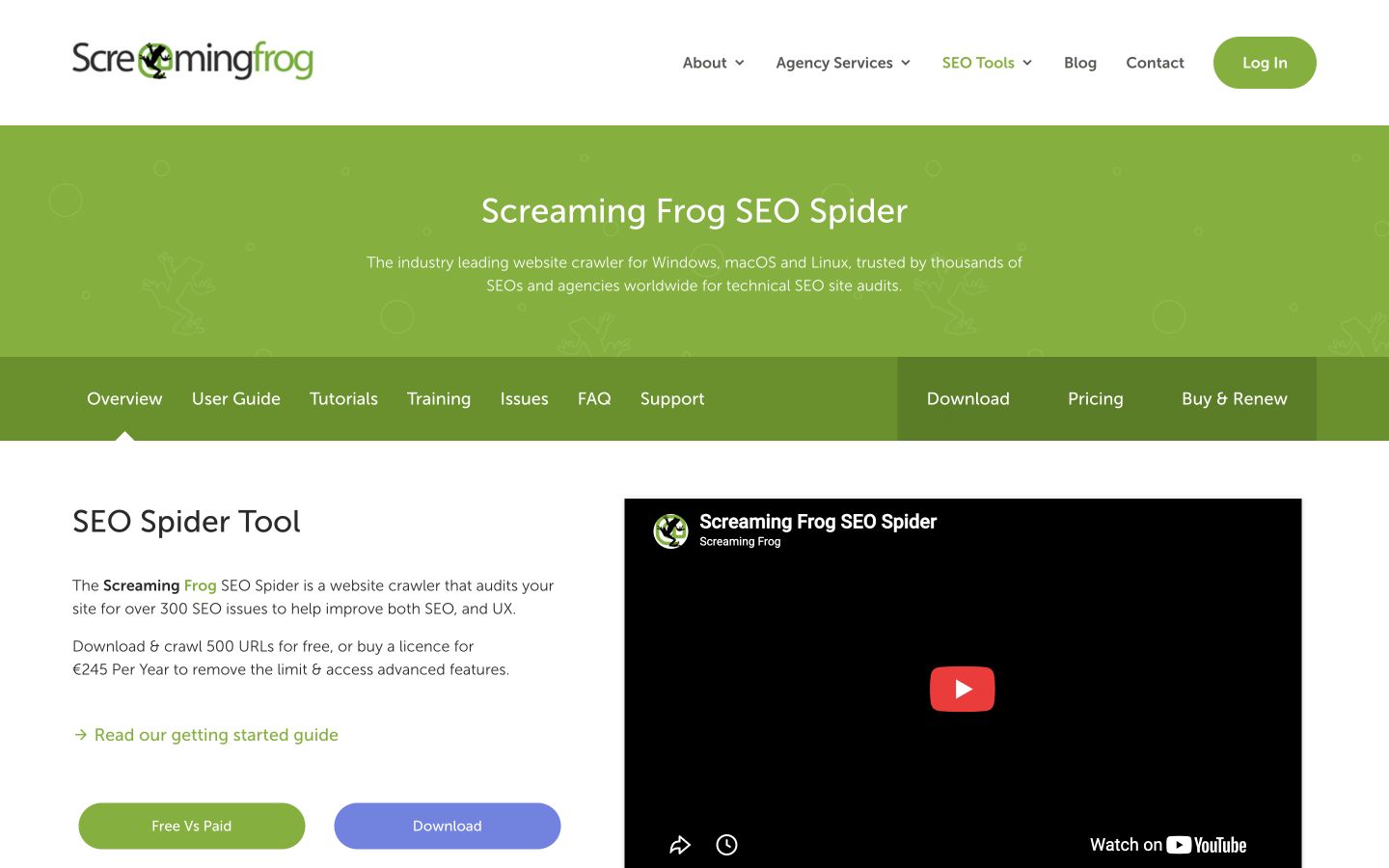
The SEO Spider page identifies a crawler with free and licensed options. Its role is technical inspection, not replacing the rest of your SEO stack. Native desktop capture, October 9, 2026. Source: Screaming Frog SEO Spider.
11. Google Search Console: First-party performance and indexing for your own site
Use first-party Google data to make decisions about your own site. It can reduce dependence on estimates for that job, but it cannot replace the competitor research you used Ahrefs to perform.
Search Console provides query and page performance for a verified site, including impressions, clicks and average position. It also supports sitemap submission, indexing information and URL inspection. Current product documentation.
Tradeoff: It does not expose a competitor's private Search Console reports. Use it to diagnose your own visibility and validate priorities, with another research source when you need competitor estimates or backlink discovery.
What to test: Compare a useful date range for your own pages, segment the US audience where appropriate and investigate a page with changing impressions or clicks. Check indexing separately before assuming its writing is the problem.
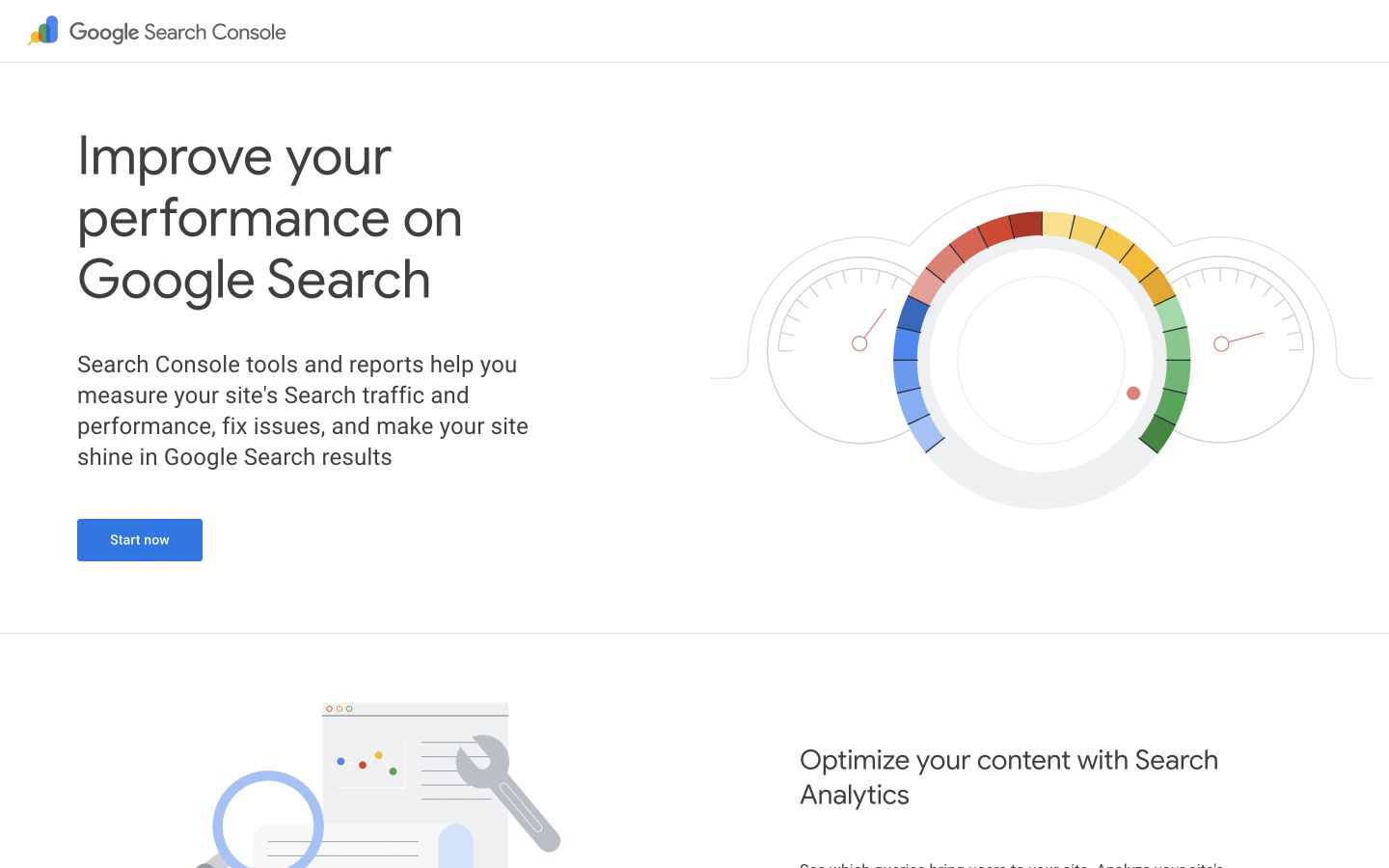
Google describes performance and indexing tools for a site you manage. That is first-party measurement, not unrestricted competitor intelligence. Native desktop capture, October 9, 2026. Source: Google Search Console.
12. LowFruits: Bulk SERP analysis and long-tail opportunity research
A focused SERP analysis tool can be useful when your primary question is where a small site has a plausible opportunity. Validate the answer format and business fit before converting the shortlist into a publishing calendar.
LowFruits identifies potential weaknesses in search results, groups keywords with similar intent and supports importing or finding keywords for analysis. Its public page distinguishes credit use for SERP analysis from keyword discovery. Current product documentation.
Tradeoff: A weak-result signal is an invitation to investigate, not proof that your site can win. Review the live result type, relevance and business value before spending a generation allowance on a topic.
What to test: Analyze a small keyword group and manually inspect three suggested opportunities. Reject queries that need a local result, product page or interactive tool when your proposed answer is a blog article.
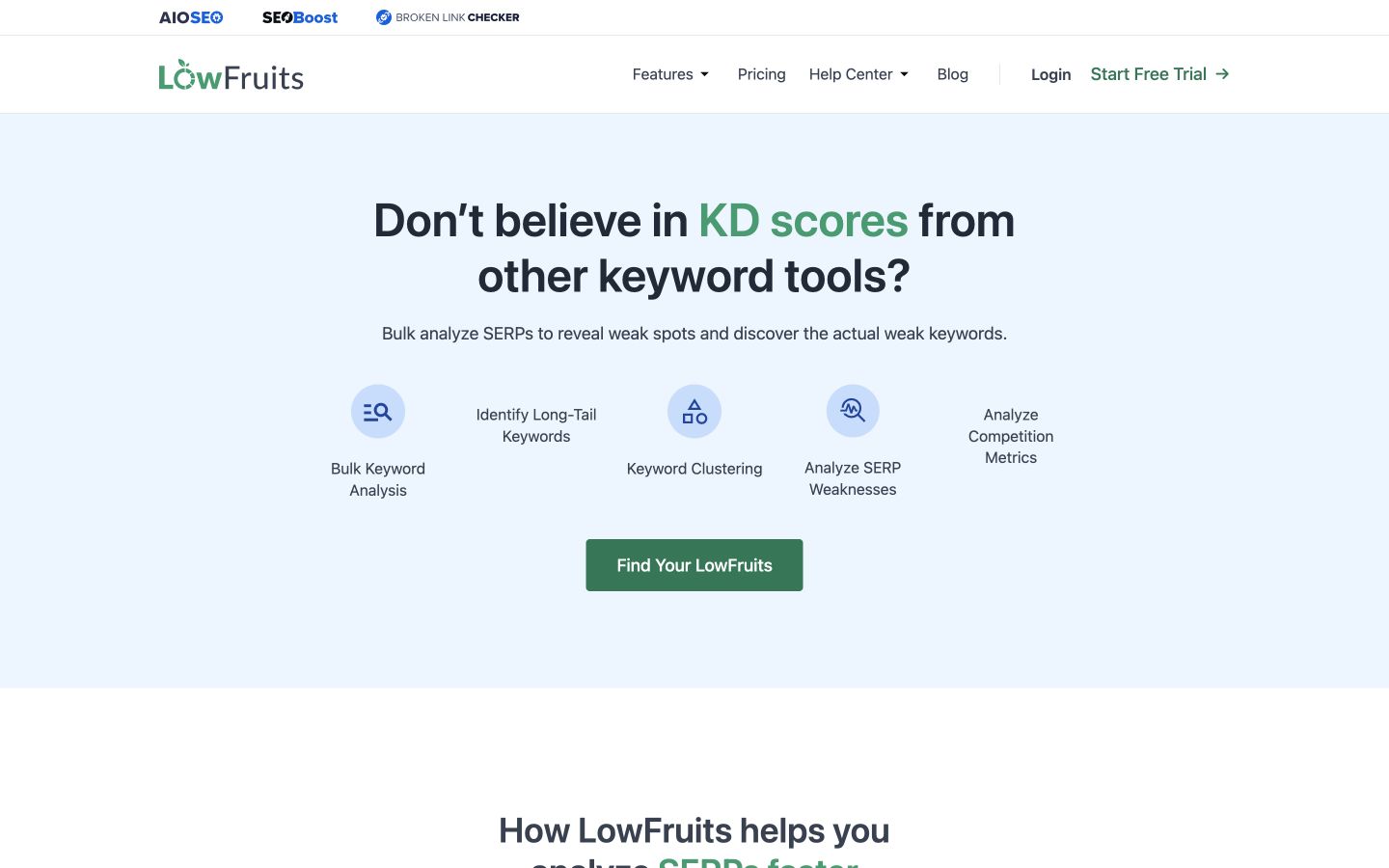
LowFruits emphasizes inspecting SERP weaknesses instead of trusting one difficulty score. Use that signal alongside intent and commercial relevance. Native desktop capture, October 9, 2026. Source: LowFruits.
Run a replacement test on your actual research workload
Do not compare database size claims as if they prove useful coverage. Choose your own domain, two real competitors and a fixed group of US English keywords. Then test the reports you rely on every week.
| Test | Inspect | A useful result |
|---|---|---|
| Keyword research | Relevant queries, search intent and market settings | A short list you can justify to a writer |
| Competitor content | Relevant ranking pages and usable exports | Gaps that merit a distinct page |
| Backlink research | Referring-domain context and live source pages | A validated investigation or outreach shortlist |
| Site inspection | Reproducible findings and affected URLs | A developer can implement the fix |
| Reporting | History, limits, filters and delivery | An account manager can explain the decision |
This is a proposed evaluation protocol, not a completed experiment. We did not compare the products' index completeness or accuracy. Keep the same country, date, device where relevant and input set so you can distinguish a product difference from a changed query.
Manually validate a small sample of valuable records. Does the reported source page still exist? Does the keyword lead to the type of page you plan to create? Is a competitor estimate being confused with first-party traffic? A usable research product should help you make better decisions, not merely produce a larger export.
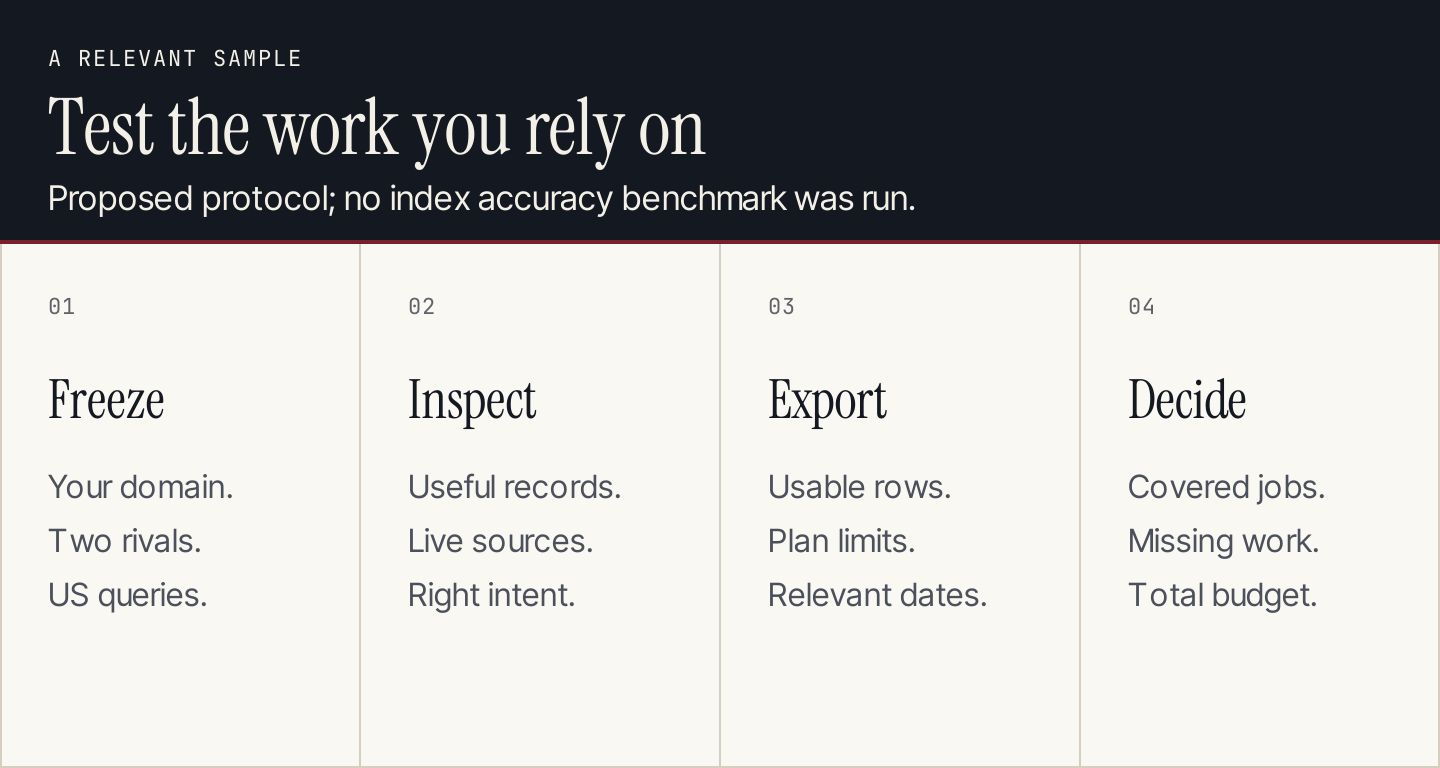
A relevant sample reveals practical coverage and limits. It does not establish universal database superiority.
Can free tools replace Ahrefs?
They can replace some tasks. Search Console measures your own Google performance and indexing. Screaming Frog's free version inspects up to 500 URLs. Neither supplies the entire competitor keyword and backlink workflow of a broad research suite. Google's product description, SEO Spider limits.
Also check what you already have access to in Ahrefs. Its current FAQ describes free tools and paid-plan distinctions, so a limited own-site requirement may not need a full replacement. Avoid cancelling a useful source of data until you know which reports and history the new stack preserves. Ahrefs FAQ.
Do not mix average position from Search Console with a rank tracker's selected-keyword position as if they are identical measurements. Define what you are measuring and keep its context with the report.
A safe way to migrate your SEO stack
Export the historical reports and project information you are permitted to keep. Record the country and device settings, keyword groups, competitors and reporting dates. Document which vendor-specific metrics appear in client reports so you do not imply continuity when changing scales.
- List the dependencies. Include dashboards, exports, scheduled reports and API connections, not just tools you open manually.
- Assign the replacement job. Mark each dependency as covered, changed or retained in the old system.
- Run a parallel sample. Compare a small report cycle before committing a whole client portfolio.
- Check acceptance with the users. An editor, developer and account manager need different outputs.
- Retire unused subscriptions deliberately. Preserve required history and confirm the new schedule works first.
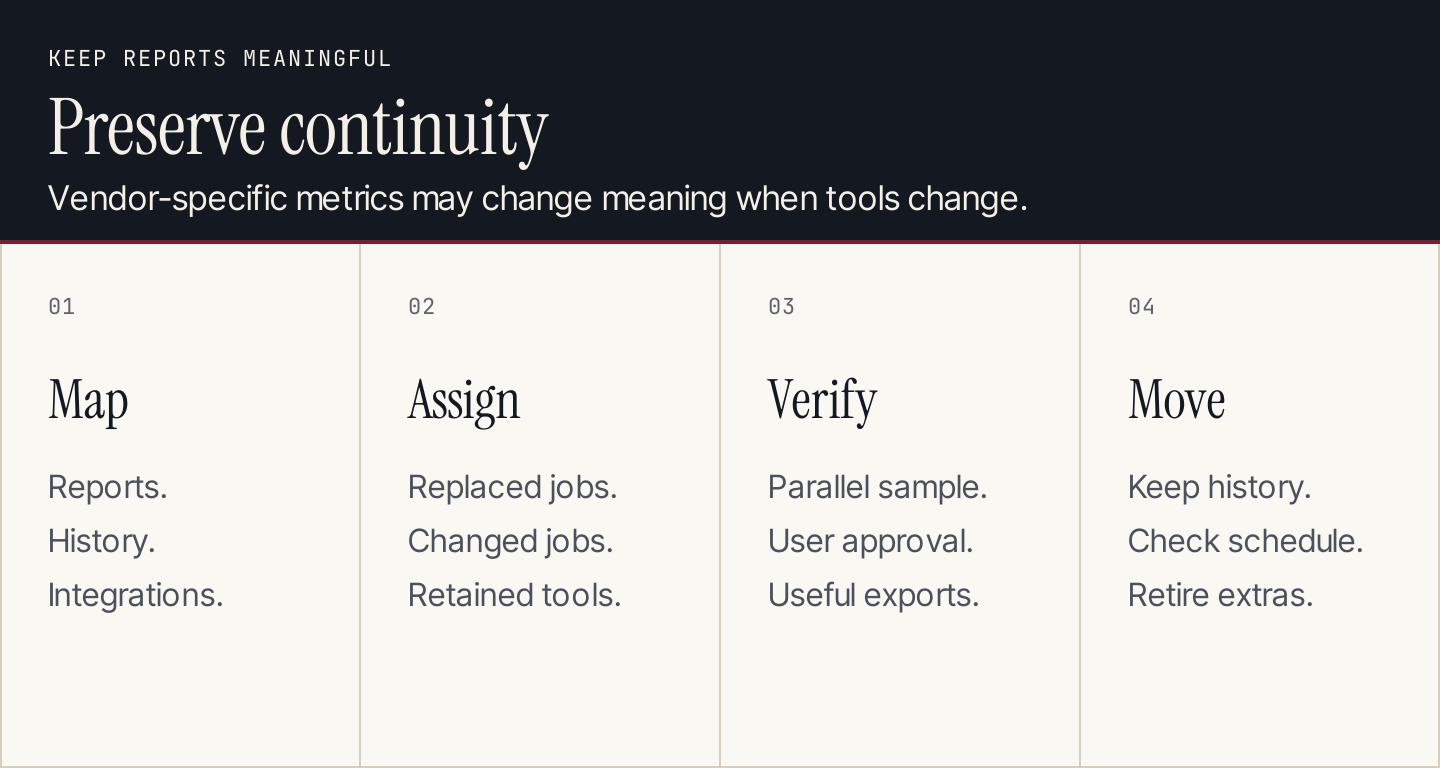
Migration is a continuity problem as well as a price decision. Avoid silently changing the meaning of a client metric.
Where Rankauto fits in the new stack
Rankauto is most relevant when the research already produces enough useful topics and the team lacks a consistent publishing operation. Keep your preferred research source for competitor or backlink work and use the content workflow to execute an approved calendar.
Its public plan is $49 per website per month for 30 created articles and up to 10,000 audited pages. The trial requires a card and ends after three days or three articles, whichever comes first, then renews into the monthly plan. Generated drafts count toward the allowance, whether published or not. These are production terms, not evidence of research-index parity. Rankauto plan.
Common Ahrefs alternative questions
Which alternative replaces the broadest set of research tasks?
Start with the suite candidates (Semrush, SE Ranking, Serpstat, Ubersuggest and Mangools) and compare the particular tasks, allowances and market coverage you need. We have not run the experiment needed to declare one universally more complete.
Which should I choose for backlinks?
Include Majestic in a specialist trial and compare its reports with the suites you are considering. Validate source-page context and useful referring domains. Proprietary authority metrics are not interchangeable across products or equivalent to a Google score.
Does a content tool replace Ahrefs?
It can replace an execution task or change what you need to buy next. It does not automatically replace competitor keywords, link history or proprietary indexes. Keep the distinction clear when comparing a content subscription with a research suite.
What should an agency compare first?
Start with a normal client reporting week. Evaluate seats, site limits, export/API allowances, history and the work required to explain results. A cheaper base subscription may cost more once the missing client deliverables are added.
For the specific research-versus-production decision, see Rankauto vs Ahrefs. Build the stack around useful decisions and accepted pages rather than trying to purchase every job in one product.