Content Distribution Channels: How to Choose, Plan, and Measure Them

Publishing a useful article does not tell you how the right people will find it. Distribution needs its own decisions: who should see the material, where they already look for help, what format belongs there, and what happens after they engage.
Content distribution is the process of putting useful content in front of a relevant audience through selected channels. Those channels include your website and email list, social platforms, other publishers, partners, communities, and paid placements.
For a small team, the starting point is one substantial asset, one reachable audience, and a small number of routes you can maintain. Add channels when you have a reason and the capacity to support them.
This guide compares the routes, examines six real public examples, and gives you a worksheet for running a distribution campaign. The screenshots show visible publishing choices, not private campaign results.
First, separate the content from its route to the audience
An article is an asset. An email is a format and delivery mechanism. Your newsletter list is an audience relationship. A LinkedIn post is a platform placement. A consultation request is a business action.
Keeping those separate makes a plan easier to diagnose. An excellent article can struggle because the selected channel has no relevant audience. A popular post can generate few visits because it answers the question inside the feed. Neither observation automatically means the content failed.
Write the plan as a sentence:
Put [asset or adapted excerpt] in [channel] for [specific audience], so they can [useful action], then offer [appropriate next step].
Use the next step to match the reader's situation. Someone discovering your ideas may want a useful checklist. Someone comparing providers may want a service explanation or a conversation.
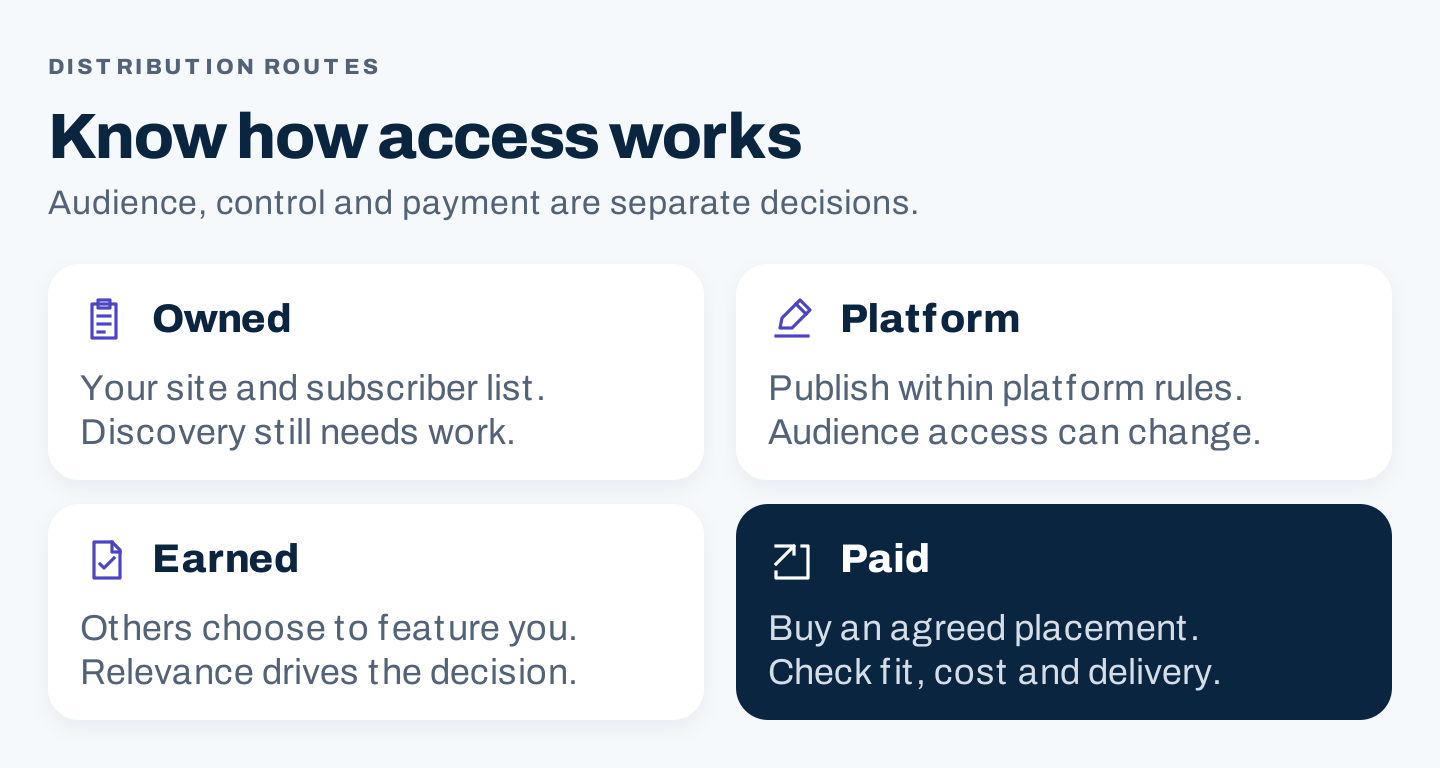
Original channel map. Control, audience access, and payment are separate questions; one campaign can use several routes.
Owned, earned, and paid channels, and the platform distinction
The familiar owned/earned/paid model is useful, with one practical qualification: a social profile gives you publishing access inside somebody else's system.
| Route | What you control | Examples | Main dependency |
|---|---|---|---|
| Owned | Your content, site experience, and list management | Website, resource library, subscriber email | Discovery, deliverability, maintenance |
| Platform publishing | What you publish within platform rules | LinkedIn, YouTube, Instagram | Account access, audience behavior, platform distribution |
| Earned | The material you offer; another party decides whether to feature it | Editorial citations, interviews, recommendations | Relevance and editorial judgment |
| Paid | Purchased placement under agreed terms | Search/social ads, newsletter sponsorship | Budget, targeting, creative, destination |
A company blog is owned; traffic from Google still depends on search discovery. An email list is owned in the operational sense; inbox placement is not guaranteed. A paid partner session can create an editorial mention later, but paying for the session does not make that mention earned.
Record the arrangement honestly. If money or another agreed benefit buys a placement, classify that placement as paid. If a partner voluntarily shares your useful resource, record it as a partner referral. These distinctions help you compare the work and cost involved.
Compare 12 content distribution channels
The right choice depends on the audience, asset, and intended action. This comparison is a planning guide, not a universal ranking.
| Channel | Useful when | Material to prepare | Cost or constraint to consider | First meaningful signal |
|---|---|---|---|---|
| Search-accessible website content | People repeatedly look for the answer | Clear guide, comparison, or task page | Research, upkeep, uncertain discovery timing | Relevant visits and useful actions |
| Subscriber email | You have a relevant subscribed audience | One useful takeaway with a clear destination | List quality, delivery, permission expectations | Destination visits, replies, resource use |
| Founder or expert social posts | An identifiable person has useful expertise | A specific observation, example, or demonstration | Their time and willingness to participate | Relevant discussion or next-step visits |
| Employee sharing | Colleagues can add firsthand context | Optional brief and accurate material | Coordination; avoid compulsory identical posts | Relevant conversations or referrals |
| Native video | The task benefits from demonstration | Self-contained explanation with captions | Recording, editing, format suitability | Relevant viewing and subsequent use |
| Communities | The audience discusses the problem there | A direct answer with a useful resource if allowed | Rules, trust, ongoing participation | Questions answered and useful referrals |
| Partner newsletters | Another organization serves overlapping needs | A focused contribution and destination | Relationship, editorial fit, possible fee | Tagged referrals and relevant actions |
| Guest articles or interviews | Your experience adds to someone else's coverage | Original expertise and supporting evidence | Pitching and editorial review | Qualified referral visits or conversations |
| Research citations and digital PR | You have a defensible original finding | Method, data context, quotable explanation | Research quality and outreach work | Relevant coverage and citations |
| Paid search | People express a task your content addresses | Query-matched offer and destination | Media spend and conversion economics | Cost per relevant completed action |
| Paid social | You can identify a useful audience and offer | Native creative, targeting, tested access path | Media spend, creative fatigue, lead quality | Qualified actions by campaign |
| Sponsorships | A publisher has a demonstrably relevant audience | Agreed placement, adapted message, useful page | Fee, terms, tracking, audience overlap | Delivered placement and attributable actions |
Choose one primary route and one supporting route first. If the article answers a recurring search question and you already have subscribers with that need, search-accessible publishing plus email is a coherent starting combination. If the asset is a visual demonstration, video and an expert's native social explanation may fit better.
Six real examples, and what to learn from each
1. Marketing Brew: make the email relationship worth joining
Marketing Brew's subscription page identifies marketers as its audience and explains the kind of industry news and insights subscribers receive. The email field sits directly beside that explanation.
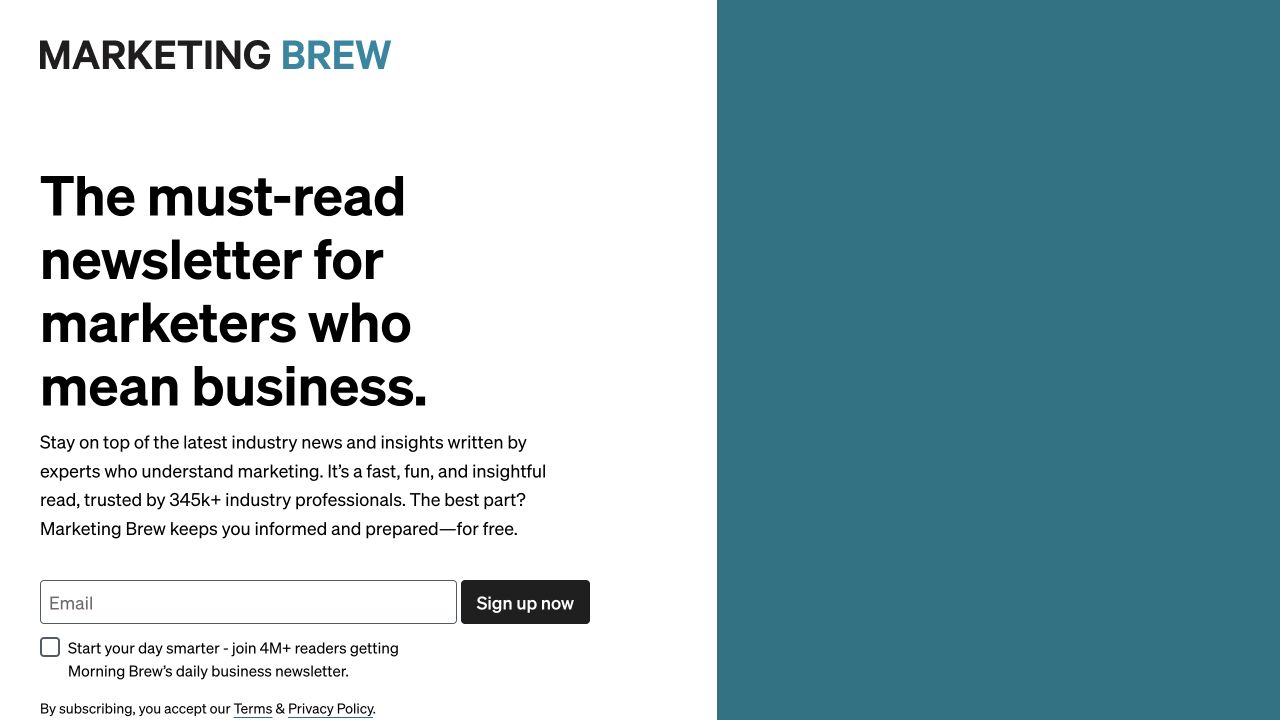
Source: Marketing Brew, desktop capture, October 7, 2026. The offer explains the audience and recurring value before asking for an email address.
The lesson is to define the editorial relationship. A newsletter that only announces your latest blog post leaves the reader to infer why subscribing helps them. Explain the subjects, relevance, and delivery expectations.
For your next article, select one takeaway subscribers can apply immediately. Include enough context to make the email useful, then link to the deeper explanation. Judge it by relevant reading, replies, or actions rather than treating opens as proof that someone consumed the material.
2. HubSpot: give substantial research a destination
HubSpot's State of Marketing page gives its annual research a dedicated explanation and action. The report is the asset; the page is its destination; an email, partner mention, or social post would be a route to it.
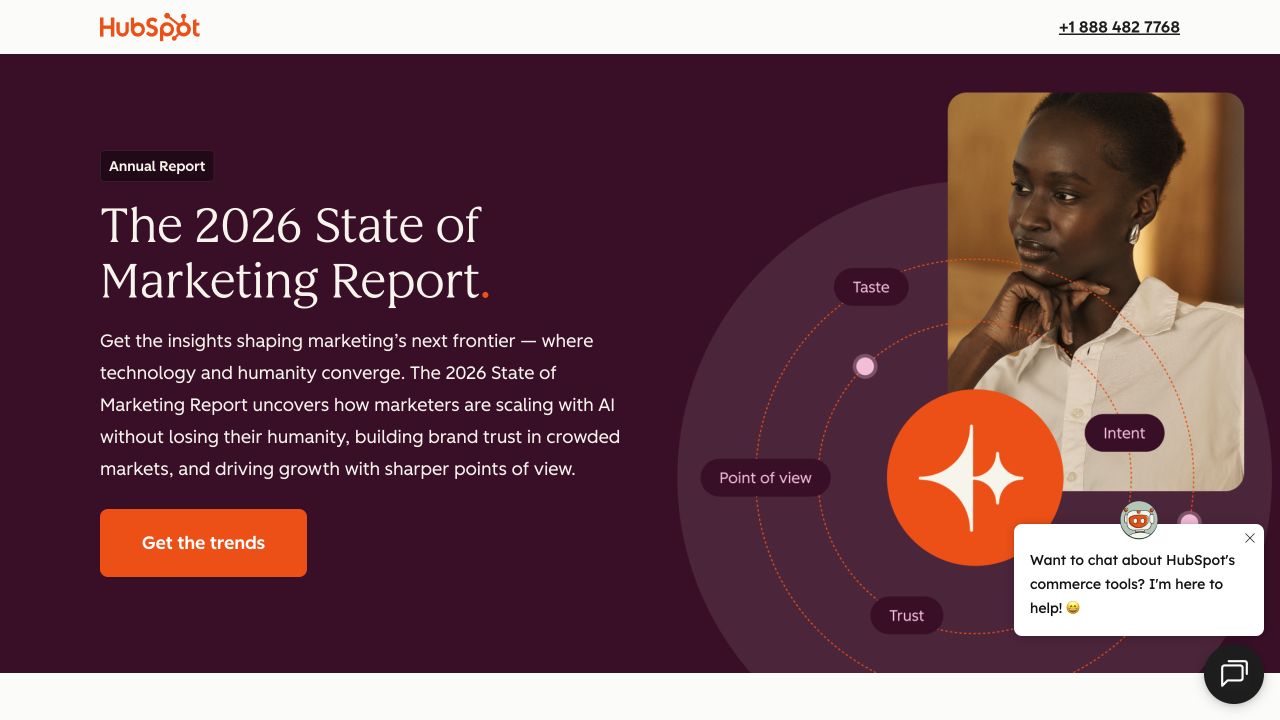
Source: HubSpot, desktop capture, October 7, 2026. A dedicated report offer gives incoming visitors a consistent place to understand the asset.
This is useful when multiple placements need to point to one current resource. Maintain that destination and its availability. If the material changes, update the page and the campaign links that still receive visits.
A small business does not need a large annual study to apply the idea. A well-researched guide or documented process can have one stable destination. It still needs a clear purpose and evidence appropriate to its claims.
3. Calendly: publish around a recognizable task
The Calendly + Slack integration page names both tools and explains meeting notifications and sharing scheduling links within Slack.
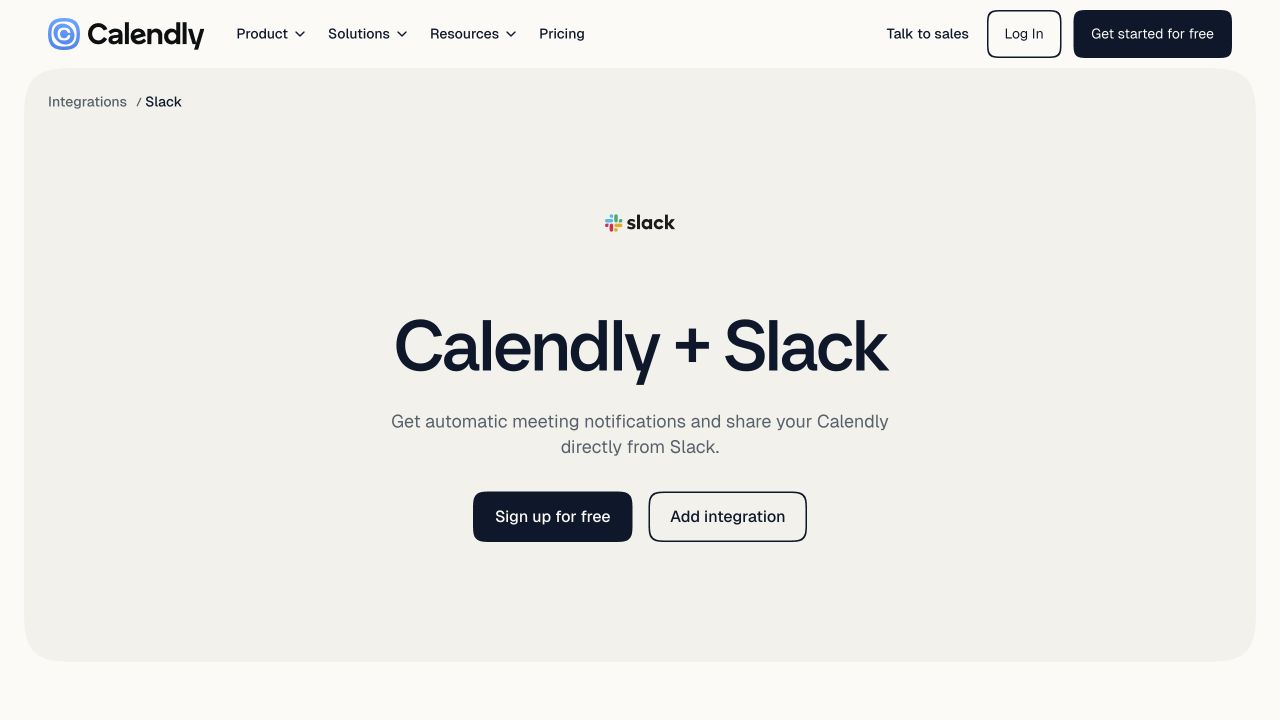
Source: Calendly, desktop capture, October 7, 2026. The page makes a specific workflow recognizable; no search ranking or traffic result is inferred.
The transferable idea is task specificity. An article explaining a problem your audience already recognizes has a clearer distribution angle than a broad announcement about your expertise.
List the situations in which someone would need the material. Turn those into clear titles, introductions, and internal links. Search visibility still requires discovery and relevance; publishing a task page does not guarantee a position.
4. Canva: make learning content navigable
Canva Design School's courses page lets visitors browse learning resources with visible topic, level, and duration information. Its navigation also distinguishes courses, lessons, videos, and other formats.
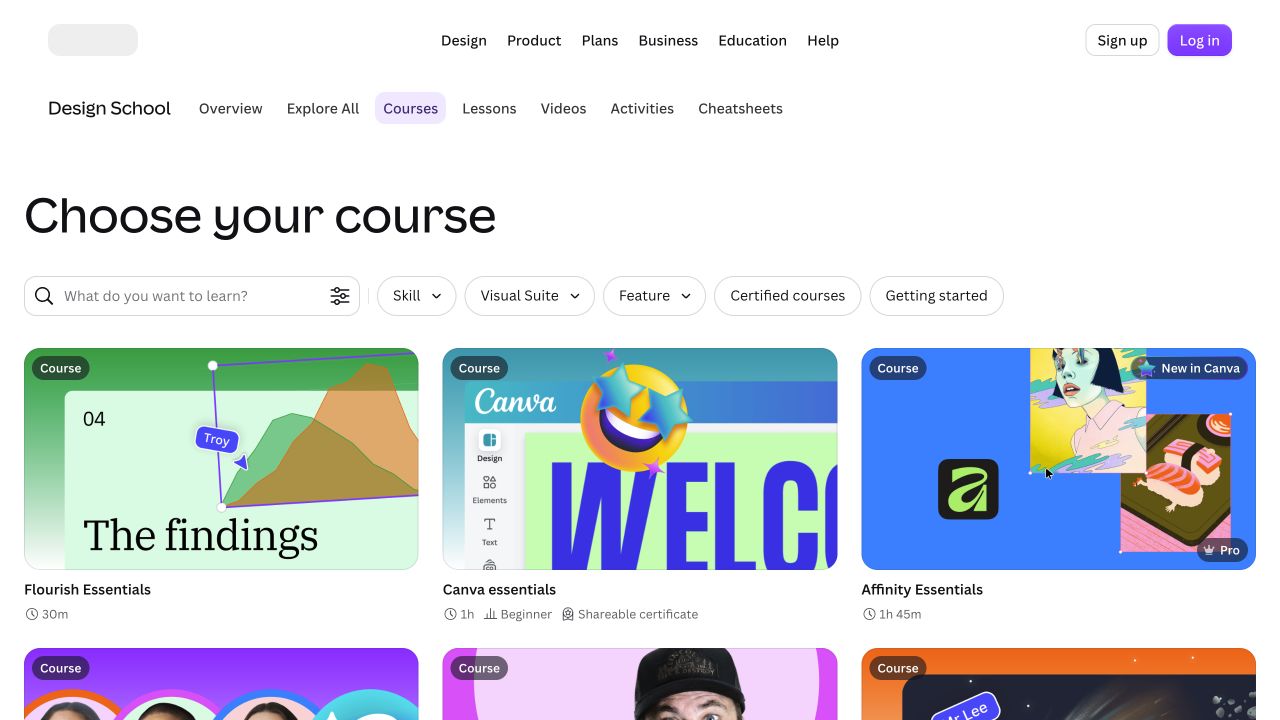
Source: Canva Design School, desktop capture, October 7, 2026. A learning library supports discovery after visitors reach the site.
A resource library is a distribution surface inside your own site. Help someone who arrives on one guide find the next relevant task. Organize by audience need rather than only by publication date.
For a smaller library, start with a short index of your best resources and descriptive links between related guides. Check that old links and format labels remain accurate.
5. SparkToro: use expert sessions and a lasting archive
SparkToro Office Hours combines a live-session invitation with a recent-session archive linking to YouTube. The listed sessions include guest experts, and some are explicitly described as archive material.
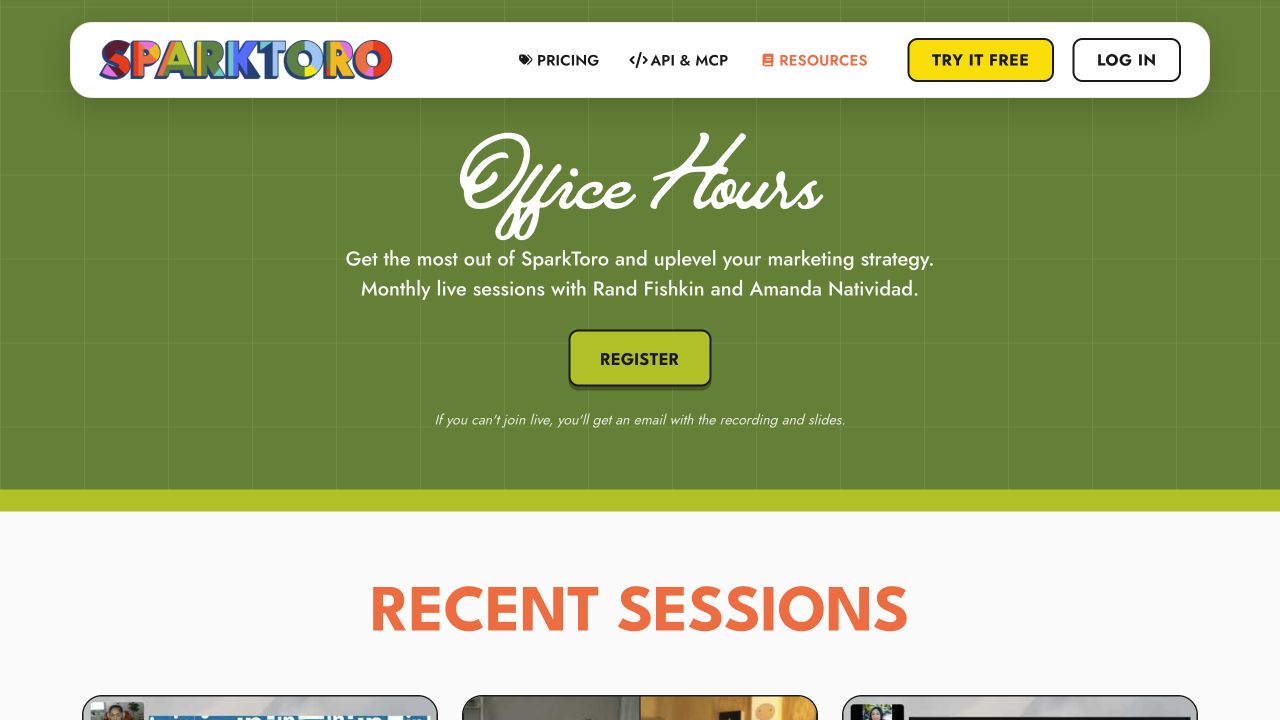
Source: SparkToro, desktop capture, October 7, 2026. Live access and recorded sessions offer different ways to use expert content.
An expert collaboration can provide useful material for both parties to share. It is not automatically earned media, and the visible page does not establish who paid for or promoted each appearance.
If you invite a partner, agree on the teaching, contribution, recording access, and optional promotional work. Give each person a short, accurate brief. Let them add their own perspective instead of sending identical copy to everyone.
6. The Marketing Meetup: evaluate the environment before buying access
The Marketing Meetup's partnership page describes its marketing community, partner fit, and a process for discussing goals before a partnership goes live.
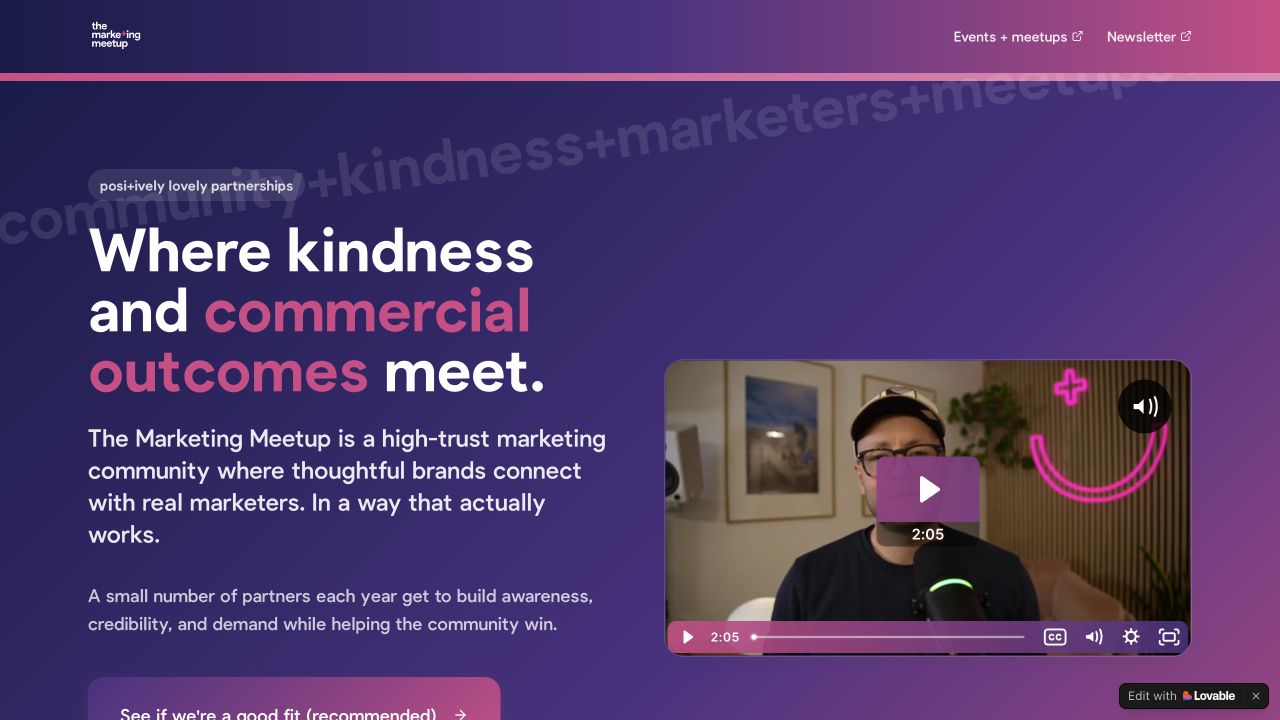
Source: The Marketing Meetup, desktop capture, October 7, 2026. The public page describes partnership fit; its audience and performance claims are publisher claims.
Use a sponsorship conversation to establish exactly what you are buying. Ask about audience composition, placement, timing, creative review, destination links, reporting, and whether the same people are likely to see other placements in your campaign.
For a US campaign, check US audience fit explicitly. A relevant subject alone does not establish a relevant geography. A large subscriber number is also insufficient without understanding who those subscribers are and what the proposed placement delivers.
Build a distribution plan around one asset
Step 1: choose the useful action
Pick a specific reader outcome: complete a planning worksheet, understand a comparison, watch a demonstration, or request relevant help. Then identify the business action that may follow.
Keep the two visible. Helping someone use your content and asking them to speak with sales are different commitments.
Step 2: check the audience you can reach
Review customer questions, search queries, subscribed interests, community discussions, and existing referral sources. Talk to customers when you need context that analytics cannot provide.
Write down what is observed and what is assumed. A competitor posting frequently on LinkedIn is evidence of its publishing activity, not proof that your buyers use that channel or that its posts generate revenue.
Step 3: choose the format for each route
An article can support an email takeaway, a diagram, a short demonstration, or a partner contribution. Select the part useful in that setting and preserve any conditions needed to understand it.
Use the content repurposing guide when the format change requires a new explanation. Distribution chooses where material goes; repurposing changes how it helps the reader there.
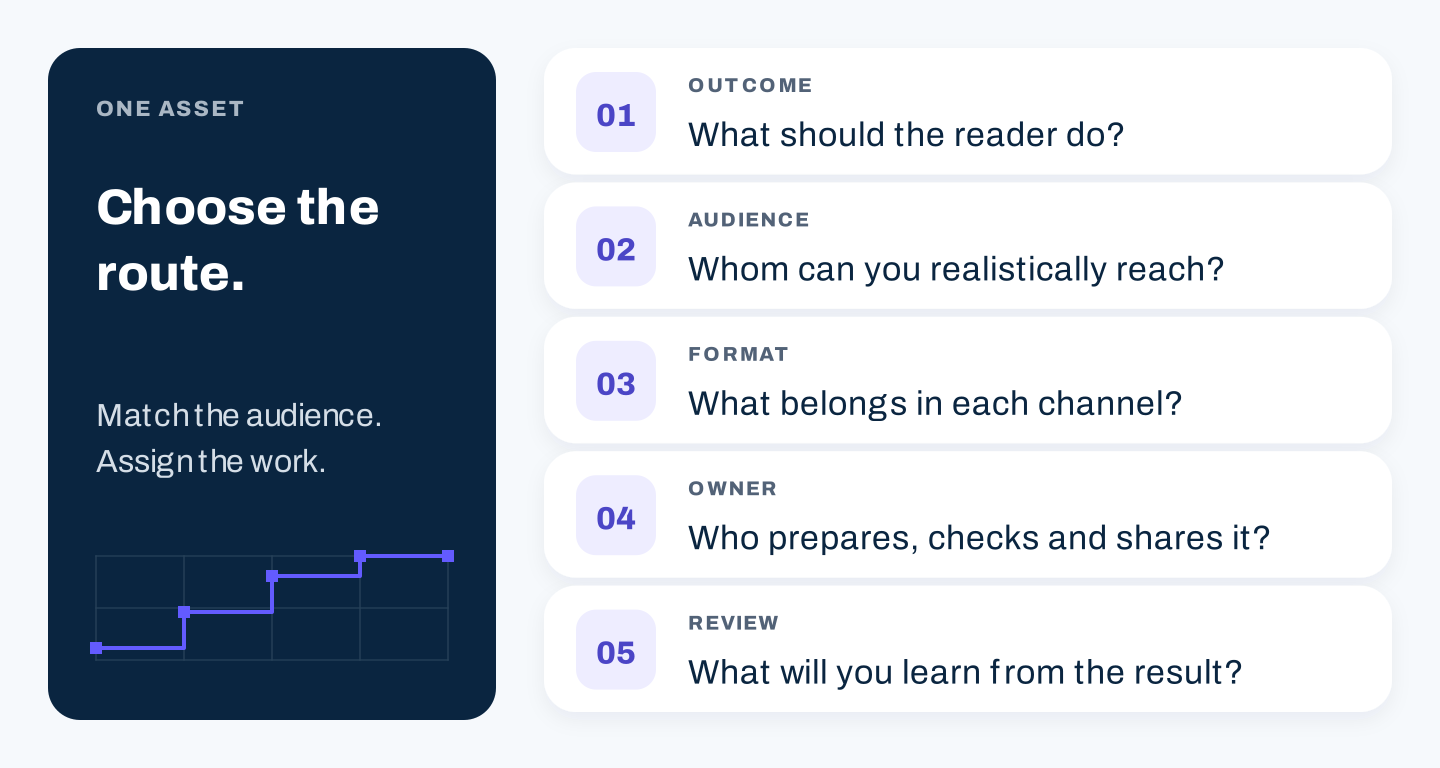
Original planning guide: define the outcome, audience, format, owner, and review question.
Step 4: assign people, links, and dates
Each placement needs an owner, approved material, destination, publication window, and a way to collect results. A campaign brief should make those details easy to find.
For links you control, use a consistent campaign naming convention. Google's campaign URL guidance explains how campaign parameters describe traffic sources. Do not put campaign tags on normal internal navigation, where they can confuse campaign analysis.
When a platform placement delivers the content natively, collect its relevant platform signals too. Do not pretend every useful interaction must become a website visit.
Step 5: set a review point and a next decision
Review each route after it has had the planned chance to deliver. Record the time and cost alongside the result. If useful actions are missing, investigate the audience, creative, link, offer, and access path separately.
For search-accessible content, a first review can check indexing and relevant query impressions. That is not a deadline by which the article must produce leads.
A copyable distribution worksheet
Fill this out before creating channel-specific assets.
| Field | Your plan |
|---|---|
| Source asset and current URL | |
| Audience and situation | |
| Evidence that they use the chosen channel | |
| Reader outcome | |
| Appropriate business next step | |
| Primary route and adapted format | |
| Supporting route and adapted format | |
| Owner and reviewer for each placement | |
| Publication window and maintenance date | |
| Destination and campaign naming | |
| Time, production cost, and media budget | |
| Success signal, denominator, and review window | |
| What would make you revise, continue, or stop? |
For an agency, add a client approval owner and delivery dependencies. For a founder, reduce the route count until the plan fits the time actually available. An unfinished ten-channel plan is less useful than two placements you can execute and evaluate.
Measure reach, use, and business actions separately
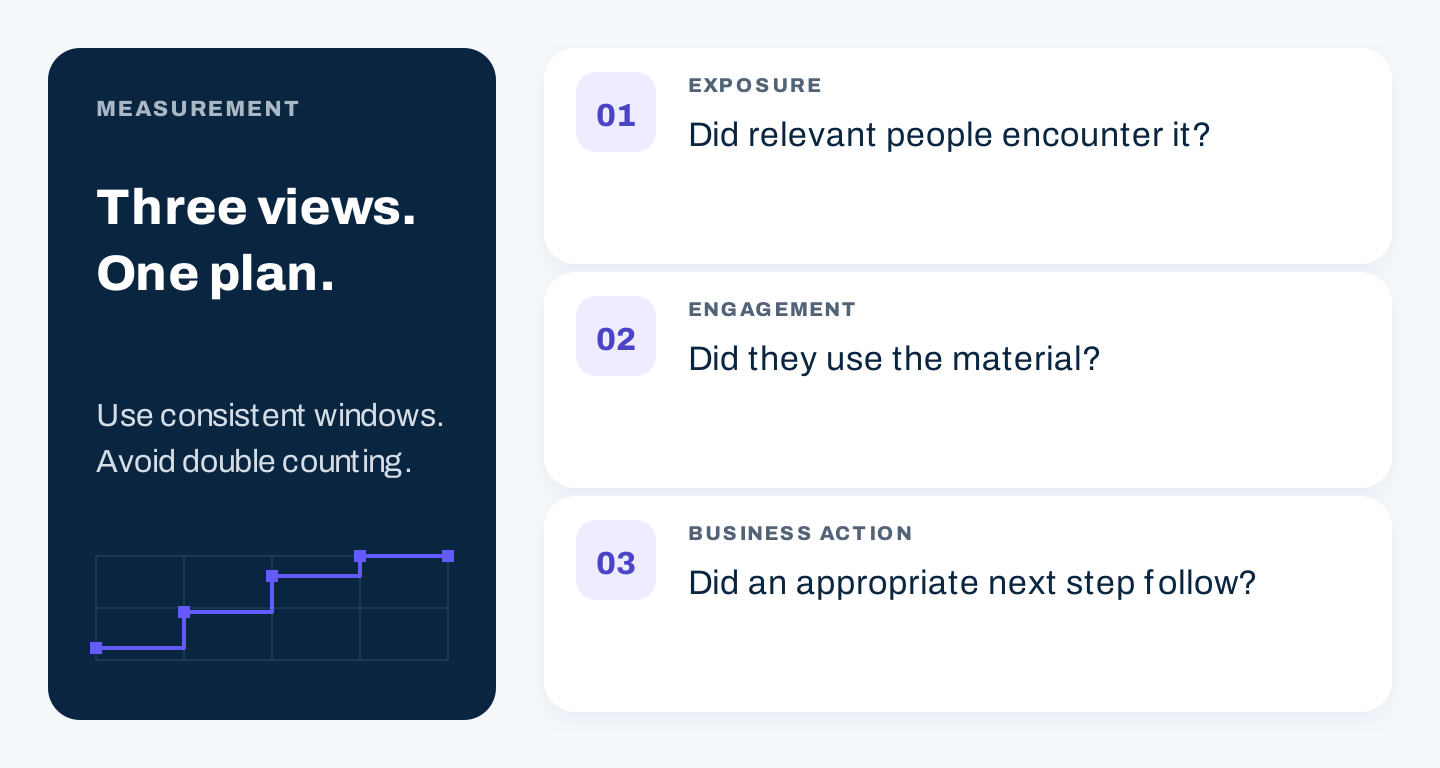
Original measurement framework. Exposure, content use, and business actions answer different questions.
| Layer | Question | Examples |
|---|---|---|
| Delivery and reach | Did the intended placement happen, and who could see it? | Sent messages, delivered placement, relevant impressions |
| Content use | Did people engage with the material meaningfully? | Guide visits, demonstration viewing, replies, worksheet access |
| Business action | Did relevant people take the intended next step? | Qualified inquiries, accepted meetings, useful trial activity |
Compare rates using consistent definitions. An email click rate, a platform engagement rate, and a landing-page conversion rate have different denominators. Do not average them together.
A simple cost measure is:
Distribution cost per qualified action = campaign distribution costs ÷ qualified actions attributed under your stated method.
Include paid placement and the production work needed for it. State whether research and source-asset costs are included. Record attribution limits: someone may hear an interview, later search for the brand, and appear as search traffic. Add a voluntary “How did you hear about us?” question when it helps, without treating the answer as perfect attribution.
Common distribution mistakes
Posting the same introduction everywhere. Select a useful takeaway for the setting and make the material stand on its own.
Counting every impression as a potential lead. A viewer becomes a lead only when there is an identifiable, appropriate contact or inquiry action. Use the lead generation guide to connect that action to qualification and follow-up.
Buying placements before testing the destination. Check the offer, form, access instructions, and mobile path before you pay to bring people there.
Assuming social followers are fully owned. Maintain your useful website resources and subscriber relationship as well as your platform presence.
Neglecting old material. Broken links, expired event invitations, and outdated claims can weaken a campaign long after its launch.
Frequently asked questions
What is the best content distribution channel for a small business?
Start where you have evidence of a relevant audience and a format you can maintain. A subscribed email list, a task-focused search page, or a useful community contribution can each make sense. Choose based on fit and capacity rather than a universal channel ranking.
Is social media owned or earned distribution?
Publishing on your profile is platform distribution: you control the post within the platform's rules. An independent person sharing or discussing it may be earned distribution. Paying to amplify it is paid distribution.
How many channels should a campaign use?
Use enough to reach the audience through meaningful, maintainable routes. One primary route and one supporting route is a practical starting plan, not a permanent rule.
Choose the next asset you already have, complete the worksheet, and assign the first two placements. Review what the audience actually does before expanding the plan.